
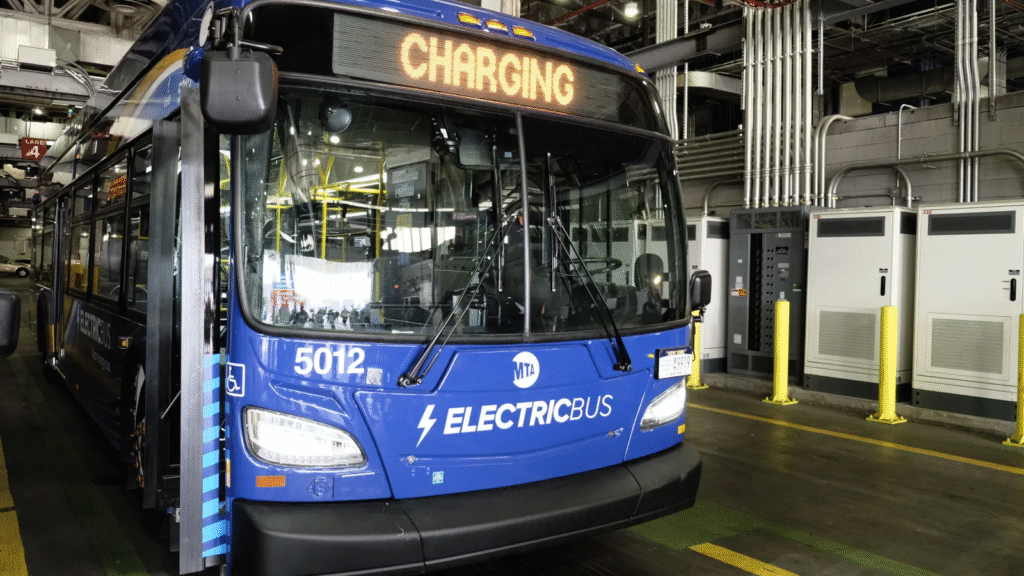
MTA transit officials want to purchase nearly $100 million worth of new buses, of which the agency’s board is expected to vote on during its monthly meeting on Wednesday.
Per MTA procurement documents, the agency will spend $97,641,522 on 100 new buses from Nova Bus, (US) Inc., pending board approval. The buses are described as low-floor, 40-foot buses to be woven into the NYC Transit system throughout 2027.
The buses would be paid for under the MTA’s state-approved $68.4 billion capital plan. Although the plan calls for funding to grow the agency’s “zero-emissions” and “fully electric fleet” by 2040, the buses in the procurement request run on clean diesel, according to MTA documents.
The request is an addition to an initial “base contract” of 275 similar, but diesel-electric hybrid buses to replace those that were beyond their 12-year service life, MTA documents stated.
“The 100 buses that are the subject of this modification will include the remaining 50 options as well as an additional 50 buses,” MTA documents read. “ When NYC Transit approached Nova Bus about exercising the remaining option for 50 buses, Nova Bus indicated that it had additional production capacity at the end of 2026.”
The agency said it decided to take advantage of this “unforeseen opportunity” by purchasing an additional 50 buses, given the need to replace aging vehicles.
Buses to be outfitted with cameras for traffic enforcement
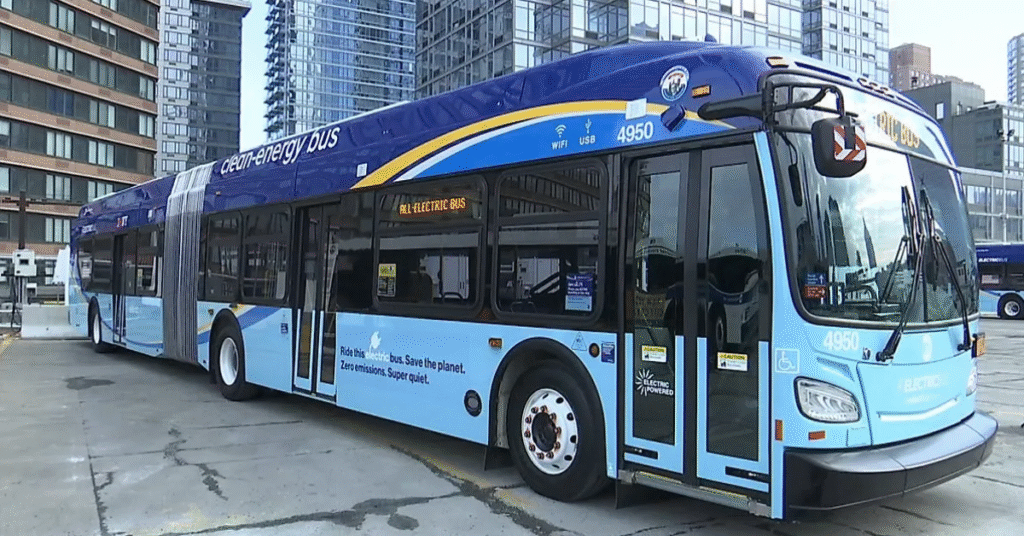
The new buses, if approved for purchase, will be outfitted with driver enclosure, OMNY fare-payment technology and Automated Camera Enforcement (ACE).
Currently, more than 1,400 buses are now ACE-equipped covering 560 miles of routes, the MTA said, to catch drivers improperly using or parking in bus lanes in NYC. According to the agency, Bus routes with ACE, on average, have increased speeds by 5% with some corridors seeing gains as high as 30%.
ACE fines start at $50 and increase by $50 for each additional violation received. A list of ACE bus routes is available at mta.info.
The MTA is expected to vote on the bus purchase requests on Dec. 17.
The Metropolitan Transportation Authority (MTA) is preparing for a major upgrade to its public transportation system, with plans to spend nearly $100 million on new buses. This investment is part of MTA’s broader mission to modernize aging infrastructure and improve daily commuting experiences. However, the biggest question remains — will these new buses be electric?
Details of the $100 Million Bus Purchase
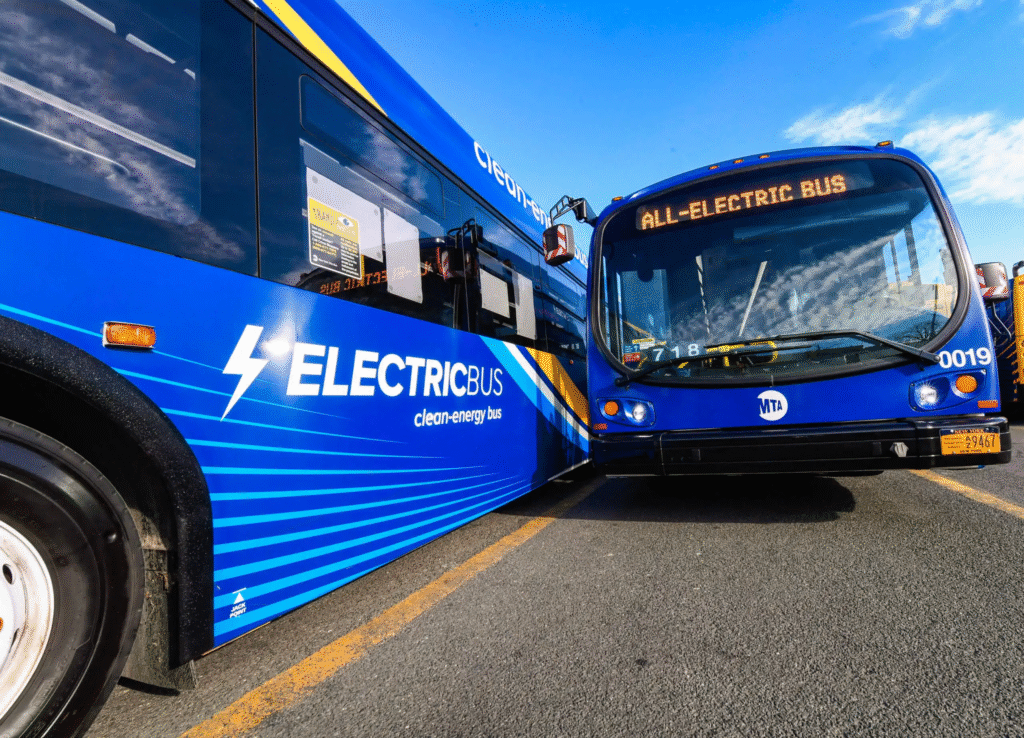
As per recent updates, the MTA is expected to purchase around 100 new buses equipped with advanced features such as OMNY contactless payment systems, improved safety technology, and modern accessibility upgrades. According to a report by AM New York, the procurement is aimed at replacing older diesel buses that are no longer cost-effective to maintain, as highlighted in coverage about the MTA’s fleet expansion plans on AMNY’s official transit news section.
Are Electric Buses Part of the Plan?
The answer is yes — but in phases.
The MTA has already committed to a long-term transition toward zero-emission transportation. Under the MTA’s 2025–2029 Capital Plan, the authority plans to invest heavily in battery-electric buses and charging infrastructure, a strategy clearly outlined in the official capital plan documentation available on the MTA’s website.
Additionally, the MTA has publicly stated that starting in 2029, all new standard bus purchases will be zero-emission, supporting its ambitious goal of running a 100% zero-emission bus fleet by 2040, as detailed in the MTA’s Zero-Emission Bus Transition Plan published online.
Recent developments further reinforce this direction. The MTA has already approved contracts for hundreds of electric buses, including large orders from manufacturers like New Flyer, which was reported in a detailed announcement about the MTA’s electric bus procurement on New Flyer’s official news platform.
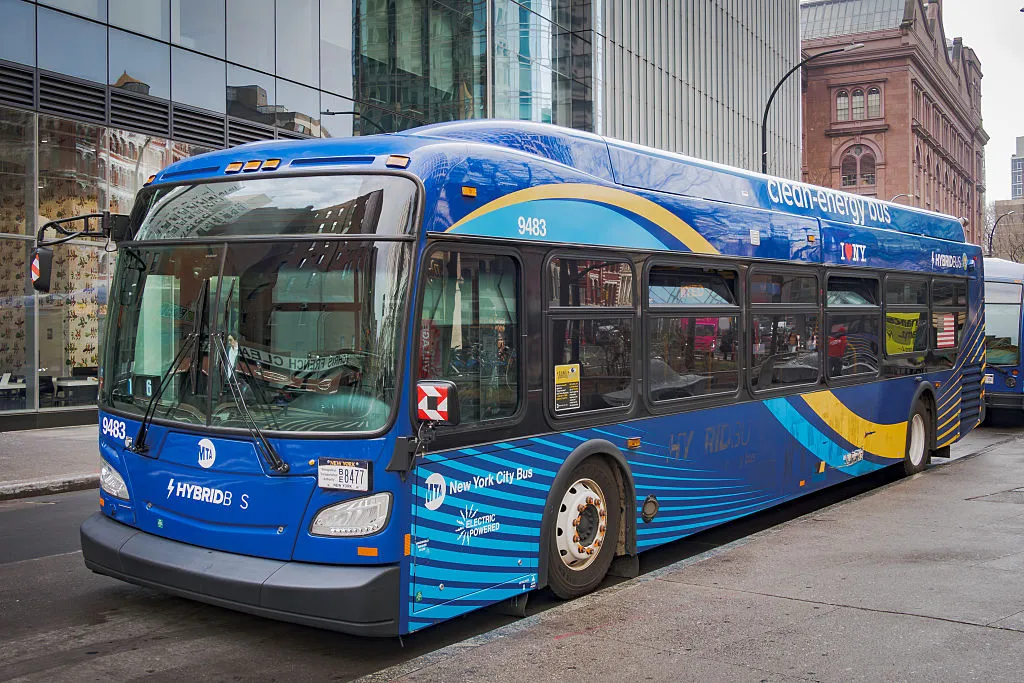
Why Electric Buses Matter for Cities
The shift toward electric buses brings several important benefits:
- Cleaner air and reduced emissions, especially in dense urban neighborhoods, supporting New York State’s climate goals as described in the MTA’s environmental sustainability reports
- Quieter and smoother rides, improving the overall passenger experience
- Lower long-term operating costs, since electric buses require less maintenance than traditional diesel models
These benefits are frequently emphasized in MTA publications explaining how zero-emission transit supports public health and environmental sustainability.
Challenges Slowing Full Electrification
Despite the momentum, the transition is not without obstacles:
- High upfront costs for depot upgrades and fast-charging infrastructure
- Limited charging capacity at older bus depots
- Operational constraints, as electric buses are gradually integrated alongside diesel and hybrid vehicles
These challenges are discussed in depth in recent transit industry analyses published by Mass Transit Magazine, which covers how agencies like the MTA are balancing modernization with budget realities.
What Riders Can Expect
For commuters, the changes will be noticeable over time. New buses will feature:
Faster boarding with OMNY contactless payments
Enhanced accessibility for seniors and passengers with disabilities
Improved reliability and onboard technology
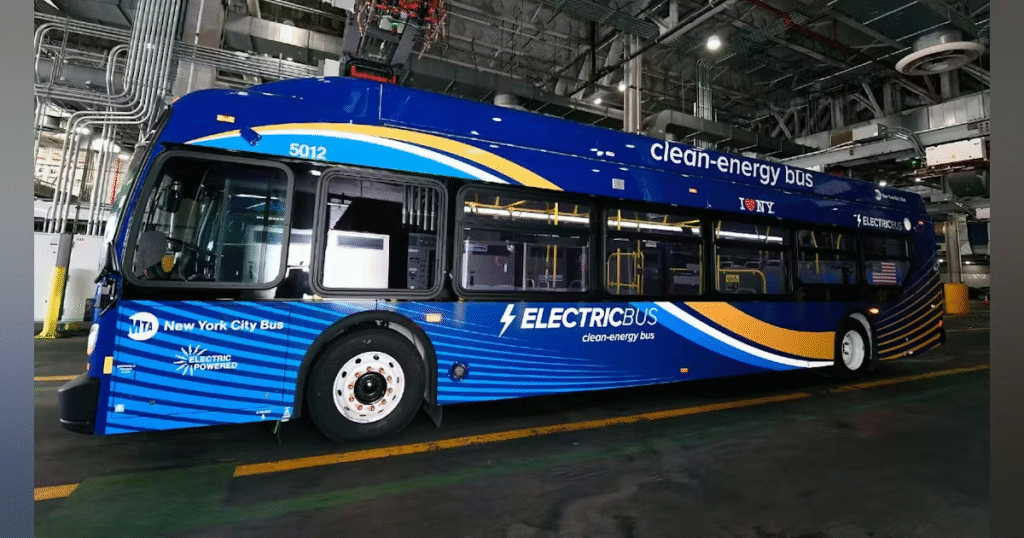
As more electric buses are rolled out, riders can expect cleaner, quieter, and more environmentally friendly journeys across New York City.
Final Thoughts
The MTA’s planned $100 million investment in new buses marks another important step toward building a future-ready public transit system. While not every bus in this purchase may be electric, the authority’s long-term commitment to zero-emission transportation is clear and already underway.
With continued investment and infrastructure development, electric buses are set to become a familiar sight on city streets — helping the MTA deliver sustainable, modern, and rider-focused transit solutions.
This article is published for informational and educational purposes only. The details shared here are based on publicly available reports, official announcements, and industry sources at the time of writing. Transit plans, budgets, and procurement decisions may change over time. Readers are advised to visit the official Metropolitan Transportation Authority (MTA) website or trusted news sources for the most accurate and up-to-date information.
#MTA #ElectricBuses #PublicTransport #GreenTransit #ZeroEmission #Carrerbook #Anslation #CleanEnergy #UrbanMobility #SustainableTransport #ElectricVehicles #SmartCities #TransitNews #BusFleet #ClimateAction #EcoFriendlyTransport #NYCTransit