
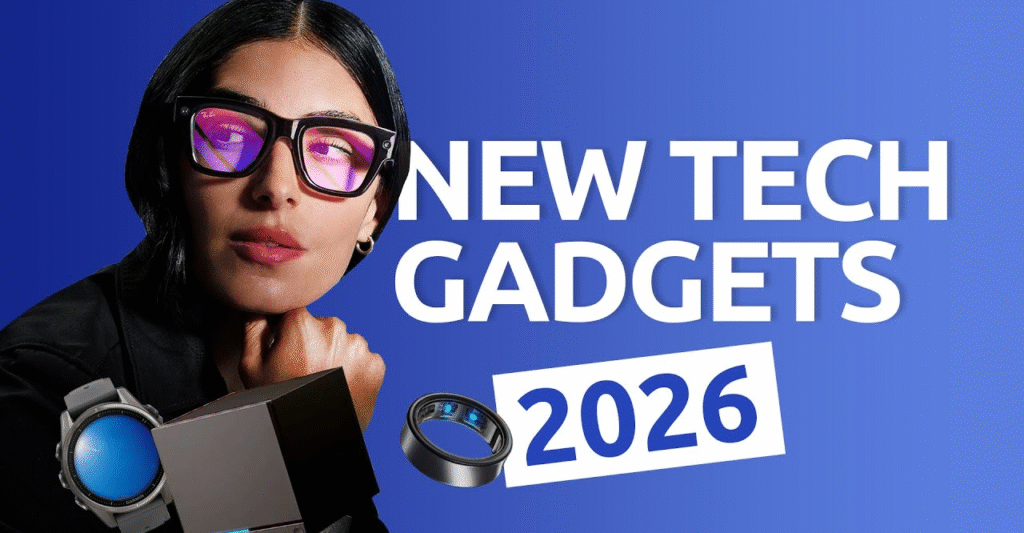
Technology has become one of the most influential parts of modern life. In 2026, tech and gadgets are no longer limited to luxury devices or entertainment products. They are deeply connected to the way people work, communicate, learn, travel, shop, and manage their daily routines. From artificial intelligence-powered devices to smart home systems and wearable technology, innovation continues to reshape everyday experiences.
The rapid advancement of technology has made gadgets smarter, faster, and more personalized than ever before. Consumers are now looking for devices that not only perform well but also improve convenience, productivity, and lifestyle. At the same time, people are becoming more conscious of privacy, sustainability, and long-term value when purchasing technology products.
This guide explores the most important trends in technology and gadgets in 2026, the devices shaping the future, and how modern innovation is changing the way people live and work.
The Rise of Artificial Intelligence in Everyday Gadgets
Artificial intelligence has become the driving force behind many modern devices. In 2026, AI is integrated into smartphones, laptops, home assistants, wearables, and even household appliances.
Unlike earlier versions of smart technology, today’s AI-powered gadgets are capable of learning user behavior and adapting accordingly. Smartphones now offer advanced personalization features that analyze usage habits, improve battery performance, optimize apps, and provide intelligent recommendations.
AI assistants have also become significantly more advanced. They are no longer limited to answering simple questions or setting reminders. Modern assistants can manage schedules, summarize emails, automate home systems, and even assist with creative and professional tasks.
AI-powered translation tools are helping people communicate across languages more naturally, while productivity software uses machine learning to streamline workflows and improve efficiency.
The integration of artificial intelligence into daily life has made technology feel more intuitive and responsive. Instead of forcing users to adapt to devices, gadgets are increasingly adapting to human needs and preferences.
Smartphones Continue to Evolve

Smartphones remain one of the most essential gadgets in the world. Although the basic concept of smartphones has stayed the same, their capabilities have improved dramatically.
In 2026, smartphones focus heavily on AI processing, camera quality, battery efficiency, and seamless connectivity. Foldable and rollable displays have become more refined, offering larger screens without sacrificing portability.
Camera systems now rival professional photography equipment in many situations. Advanced image processing powered by AI allows users to capture detailed photos and cinematic-quality videos with minimal effort.
Battery technology has also improved. Fast charging, wireless charging, and longer-lasting batteries reduce the frustration of constant charging. Many devices can now last an entire day or more under heavy use.
Security and privacy have become major priorities as well. Biometric authentication systems are more accurate, while privacy-focused software features help users control how their data is collected and shared.
Despite constant innovation, consumers in 2026 are becoming more selective about upgrading devices every year. Durability, software support, and overall value are increasingly important purchasing factors.
Smart Homes Are Becoming Standard
Smart home technology is transforming the way people interact with their living spaces. In 2026, connected devices are more integrated and user-friendly than ever before.
Smart lighting systems can automatically adjust brightness and color based on time of day or user preference. Smart thermostats learn household routines to improve comfort while reducing energy consumption.
Voice-controlled assistants allow users to manage appliances, security systems, entertainment devices, and schedules through simple commands. Smart refrigerators, robotic vacuum cleaners, and AI-powered kitchen appliances are also becoming more common in households.
Home security technology has advanced significantly. Smart cameras, motion sensors, facial recognition systems, and remote monitoring apps provide homeowners with greater control and peace of mind.
One of the biggest improvements in smart homes is ecosystem compatibility. Earlier smart devices often struggled to work together, but modern systems now offer smoother integration across different brands and platforms.
Consumers are also paying more attention to energy efficiency. Smart devices that reduce electricity consumption and support sustainable living are increasingly popular.

Wearable Technology Expands Beyond Fitness
Wearable technology has grown far beyond simple fitness tracking. In 2026, smartwatches and wearable devices play an important role in health monitoring, communication, and productivity.
Modern smartwatches can track heart rate, sleep quality, stress levels, blood oxygen levels, and physical activity with impressive accuracy. Some devices also provide early health alerts and wellness insights based on long-term data analysis.
Fitness tracking remains popular, but wearables are now being used for broader health management. People use these devices to monitor habits, improve sleep patterns, and maintain healthier lifestyles.
Smart glasses are another emerging category. These devices combine augmented reality features with everyday functionality, offering navigation, notifications, translation tools, and hands-free information access.
Wearable technology is becoming more fashionable as well. Consumers no longer want devices that look overly technical or bulky. Modern wearables focus on sleek design, comfort, and personalization.
As health awareness continues to grow globally, wearable devices are expected to become even more integrated into preventive healthcare and wellness management.
The Growth of Gaming Technology
Gaming technology in 2026 has reached remarkable levels of realism and immersion. Gaming is no longer considered just entertainment for children or hobbyists. It has become a massive industry involving competitive esports, content creation, virtual worlds, and social interaction.
Gaming consoles and PCs now offer ultra-realistic graphics, faster performance, and improved cloud gaming capabilities. Cloud gaming services allow users to play high-quality games without expensive hardware, making gaming more accessible to wider audiences.
Virtual reality and augmented reality are also becoming more advanced. VR headsets now offer lighter designs, better motion tracking, and more immersive experiences. These technologies are being used not only for gaming but also for education, training, and virtual collaboration.
Artificial intelligence is improving game design as well. Non-player characters behave more realistically, and game environments adapt dynamically to player actions.
Mobile gaming continues to dominate globally due to the increasing power of smartphones and the popularity of online multiplayer experiences.
Sustainable Technology and Eco-Friendly Gadgets


Sustainability has become a major focus in the technology industry. Consumers are becoming more aware of electronic waste, energy usage, and environmental impact.
Tech companies in 2026 are making greater efforts to produce eco-friendly gadgets. Many brands now use recycled materials, reduce plastic packaging, and design devices with improved repairability.
Energy-efficient products are also gaining popularity. Consumers prefer gadgets that consume less electricity and support sustainable lifestyles.
Longer software support is another important change. People want devices that remain functional and secure for several years instead of becoming obsolete quickly.
Refurbished technology markets are expanding as well. Many consumers now choose certified refurbished devices because they are more affordable and environmentally responsible.
Productivity Gadgets for Modern Work
The rise of remote and hybrid work has increased demand for productivity-focused gadgets. In 2026, people are investing in technology that improves efficiency, comfort, and communication.
High-performance laptops remain essential for professionals, students, and creators. Lightweight designs, long battery life, and AI-enhanced features make modern laptops more powerful and portable.
Noise-canceling headphones, wireless keyboards, ergonomic accessories, and portable monitors are helping users create productive workspaces at home or on the move.
Video conferencing technology has improved dramatically. Cameras, microphones, and collaboration software now provide smoother communication experiences for remote teams.
Digital note-taking devices and tablets are also becoming popular alternatives to traditional paper notebooks. These tools allow users to organize work more efficiently while reducing physical clutter.
Technology in the workplace is increasingly focused on convenience and flexibility rather than simply raw performance.
Cybersecurity and Privacy Concerns
As technology becomes more integrated into daily life, cybersecurity and privacy concerns continue to grow. In 2026, people store more personal and financial information online than ever before.
Cyber threats such as data breaches, phishing attacks, and identity theft have made digital security a top priority.
Consumers are now paying closer attention to privacy policies, encryption features, and software security updates. Many devices offer advanced security systems including biometric authentication, encrypted storage, and AI-powered threat detection.
Companies are also under pressure to improve transparency regarding user data collection and usage.
Digital literacy is becoming increasingly important because users need to understand how to protect their information online. Strong passwords, multi-factor authentication, and safe browsing habits are now essential parts of digital life.
The Future of Tech & Gadgets

The future of technology looks even more connected, intelligent, and personalized. Artificial intelligence, robotics, quantum computing, and advanced connectivity systems will continue shaping the next generation of gadgets.
Smart devices will likely become more proactive, understanding user behavior with greater accuracy and automating tasks more efficiently.
Augmented reality may eventually replace many traditional screens, while wearable devices could become central hubs for communication and productivity.
At the same time, ethical questions surrounding privacy, AI regulation, and digital dependence will continue influencing the direction of technological development.
Consumers in 2026 are no longer impressed by innovation alone. They want technology that genuinely improves life, saves time, protects privacy, and provides long-term value.
Conclusion
Technology and gadgets in 2026 are transforming nearly every aspect of modern living. From AI-powered smartphones and smart homes to wearable health devices and advanced gaming systems, innovation continues to push boundaries at an extraordinary pace.
However, the focus of technology is shifting from pure novelty to meaningful functionality. Consumers now prioritize convenience, personalization, sustainability, and security when choosing gadgets.
The future of tech is not just about creating smarter devices. It is about building technology that works naturally with human lifestyles and enhances everyday experiences in practical and responsible ways.
As innovation continues to evolve, one thing remains clear: technology will continue shaping the future of communication, work, entertainment, and personal well-being for years to come.
F&Q
Best Gadgets 2026: Trending Tech for Work, Home & Everyday Life
I can go online just to check the price of a phone, and somehow end…

Holiday Destinations 2026: Best Places for an Unforgettable Trip
Sometimes I start looking at travel places when I have absolutely no plan to travel….

Wellness Guide 2026: Easy Self-Care & Healthy Lifestyle Tips
I wake up after getting enough sleep, drink some water, open the curtains and start…

Fashion & Beauty Ideas 2026: Trending Outfits, Makeup & Skincare
I open Instagram to check one thing, and a few minutes later I am watching…

Latest Tech Deals: Best Offers on Gadgets & Electronics
I have a habit of checking tech deals even when I am not planning to…

Best Grocery Deals: Affordable Offers You Shouldn’t Miss
Grocery shopping sounds simple until you actually start doing it regularly. At first, you may…