
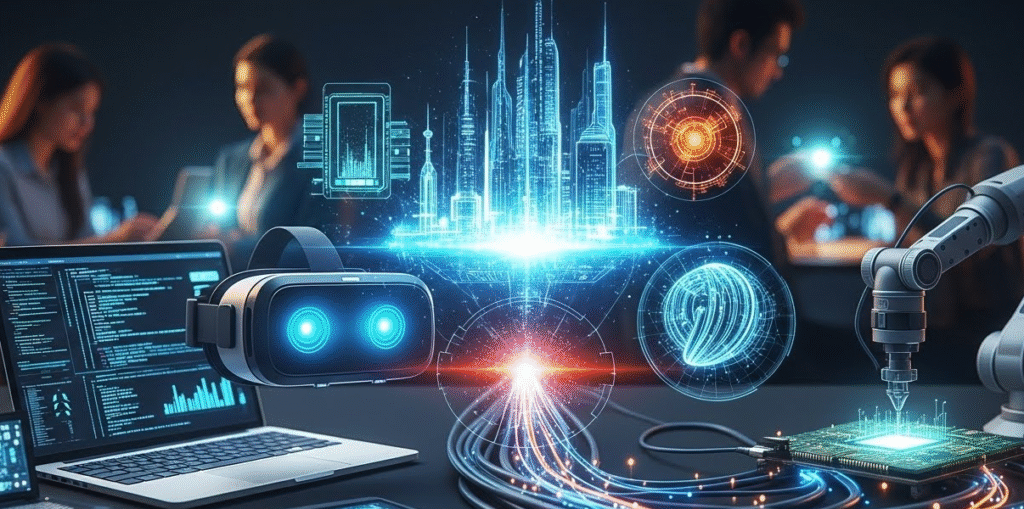
Technology is evolving faster than ever before, and future gadgets are transforming the way people live, work, communicate, and entertain themselves. Devices that once seemed impossible are now becoming part of daily life. Artificial intelligence, smart automation, wearable technology, and advanced connectivity are shaping a new digital world where convenience and innovation continue to grow every year.
Modern consumers no longer look only for basic functionality in gadgets. People now expect smarter devices that improve productivity, simplify tasks, and create personalized experiences. From smart homes and wearable fitness devices to virtual reality and AI-powered assistants, future technology is changing how humans interact with the world around them.
As companies continue investing in innovation, the next generation of gadgets is becoming more powerful, affordable, and accessible. Understanding these future technologies helps people stay updated with modern digital trends and prepare for the rapidly changing technology landscape.
The Rise of Smart Technology
Smart technology has become one of the biggest developments in the digital world. Devices are now designed to connect with each other and perform tasks automatically with minimal human effort. Smart gadgets use sensors, internet connectivity, and artificial intelligence to provide more personalized and efficient experiences.
Smartphones were the beginning of connected living, but today smart technology has expanded into homes, workplaces, healthcare, transportation, and entertainment. Smart devices can now respond to voice commands, monitor health conditions, control appliances, and even learn user behavior over time.
The rise of smart technology is making everyday life more convenient while improving efficiency in many industries.
Artificial Intelligence in Gadgets
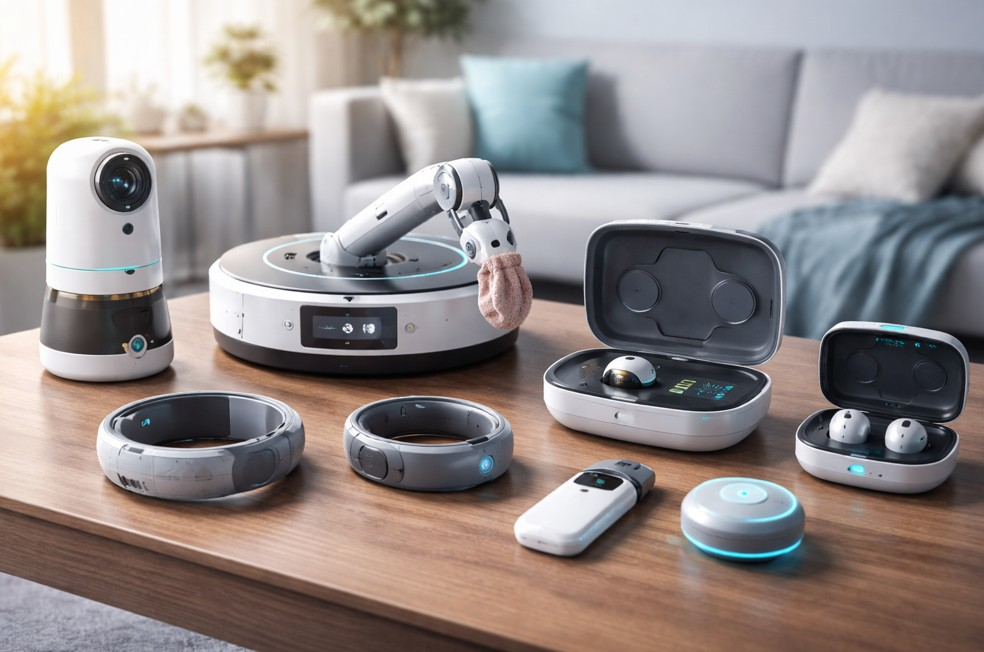

Artificial Intelligence is one of the most important technologies shaping future gadgets. AI allows devices to analyze information, learn from user behavior, and make decisions automatically. Modern gadgets are becoming smarter because of AI integration.
Voice assistants like virtual smart speakers can answer questions, control smart homes, and perform online tasks. AI-powered smartphones improve photography, battery management, and user experiences by learning personal preferences.
AI is also helping gadgets provide better security features such as facial recognition and intelligent threat detection. As AI technology improves, gadgets will continue becoming more responsive and personalized.
Future devices may eventually predict user needs before commands are even given, making technology feel more natural and seamless.
Smart Home Gadgets
Smart homes are becoming increasingly popular because they provide convenience, security, and energy efficiency. Smart home gadgets allow users to control appliances, lighting, entertainment systems, and security devices through smartphones or voice assistants.
Smart lighting systems can automatically adjust brightness depending on time and activity. Smart thermostats learn temperature preferences and reduce unnecessary energy use. Security cameras and smart doorbells allow homeowners to monitor properties remotely.
These technologies are changing how people manage their homes while making daily life easier and more comfortable.
As internet connectivity improves globally, smart homes are expected to become even more common in the future.
Wearable Technology
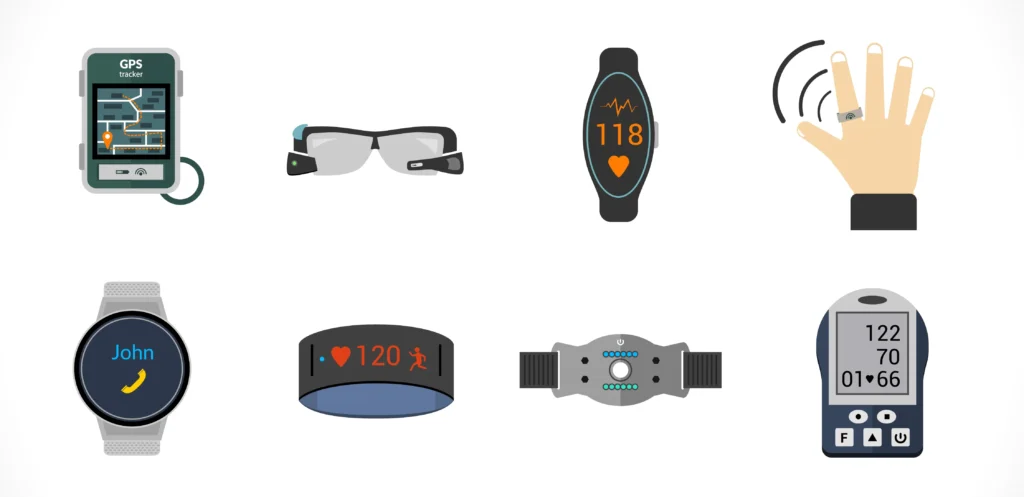
Wearable gadgets have become one of the fastest-growing technology categories. Smartwatches, fitness bands, and health-monitoring devices are helping users track physical activity, heart rate, sleep quality, and overall wellness.
Modern wearable devices now include advanced health features such as blood oxygen monitoring, stress tracking, and fitness coaching. Some devices can even detect unusual health conditions and send alerts to users.
Wearable technology is becoming more important because people are focusing more on health and personal wellness. These gadgets encourage healthier lifestyles while providing useful real-time data.
Future wearable devices may become even smaller, smarter, and more integrated into daily clothing and accessories.
Virtual Reality and Augmented Reality
Virtual Reality and Augmented Reality are changing entertainment, gaming, education, and business experiences. Virtual Reality creates fully digital environments, while Augmented Reality adds digital elements to the real world.
VR headsets allow users to experience immersive gaming, virtual travel, and interactive learning experiences. AR technology is already used in smartphone apps, navigation systems, and online shopping tools.
Businesses are also using AR and VR for training, product design, and customer experiences. These technologies are expected to become more advanced and affordable in the future.
As hardware improves, virtual and augmented reality may become regular parts of communication, work, and entertainment.
Foldable and Flexible Devices
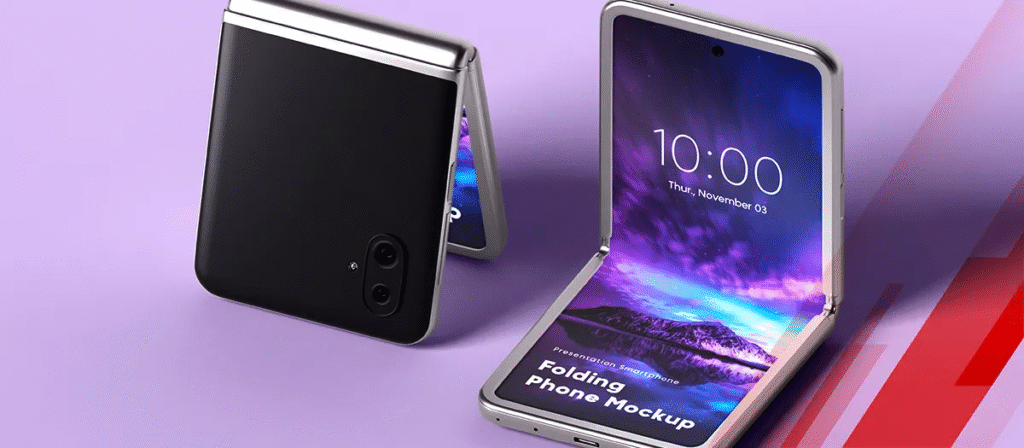
Foldable smartphones combine portability with larger displays, giving users both convenience and productivity. Flexible display technology may eventually lead to rollable screens, wearable displays, and lightweight digital devices.
These innovations are changing the traditional design of electronic devices and creating new possibilities for multitasking and mobile entertainment.
The future of smartphones and tablets is moving toward foldable and flexible designs. Technology companies are developing devices with screens that can bend, fold, and expand without damage.
Although foldable devices are currently expensive, future developments may make them more affordable for everyday consumers.
Smart Glasses and Digital Vision
Smart glasses are becoming one of the most exciting future gadgets. These devices combine traditional eyewear with digital features such as notifications, navigation, augmented reality, and communication tools.
Some smart glasses already allow users to answer calls, access maps, and record videos hands-free. Future versions may provide real-time language translation, facial recognition, and advanced augmented reality experiences.
Smart glasses could eventually replace smartphones for many daily tasks by displaying digital information directly in front of users’ eyes.
As technology improves, smart eyewear may become more lightweight, stylish, and practical for everyday use.
Advanced Wireless Technology
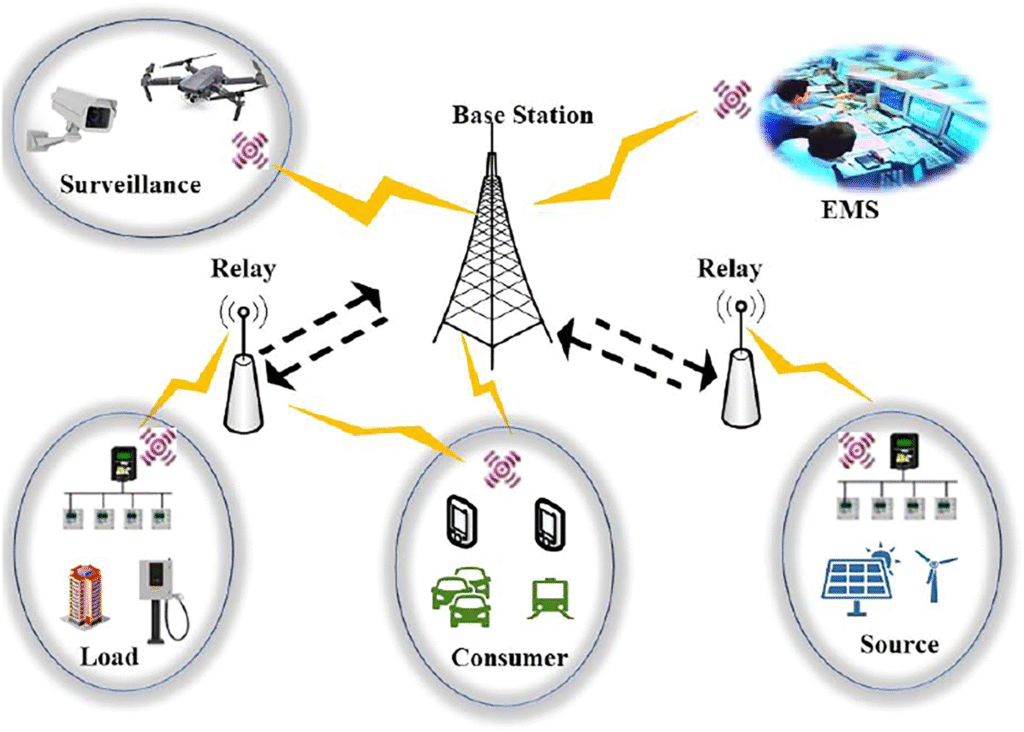
Wireless technology is improving rapidly and allowing gadgets to become faster and more connected. Future devices are expected to rely heavily on advanced internet technologies such as 5G and future wireless networks.
Faster connectivity improves streaming quality, gaming performance, cloud computing, and communication systems. It also supports the growth of smart homes, connected vehicles, and Internet of Things devices.
Wireless charging technology is also becoming more common. Future gadgets may charge automatically without cables or charging pads, creating more convenience for users.
Improved wireless systems will continue making digital experiences smoother and more efficient.
Future Gaming Gadgets
Gaming technology continues evolving with powerful consoles, cloud gaming platforms, and immersive accessories. Future gaming gadgets focus on realism, speed, and interactive experiences.
Cloud gaming allows users to play high-quality games without expensive hardware because games are streamed online. Virtual reality gaming is also becoming more advanced and immersive.
Gaming accessories such as haptic feedback devices, advanced controllers, and motion tracking systems are improving player experiences significantly.
The gaming industry is expected to continue pushing technological innovation because of growing global demand for digital entertainment.
Eco-Friendly Technology Gadgets
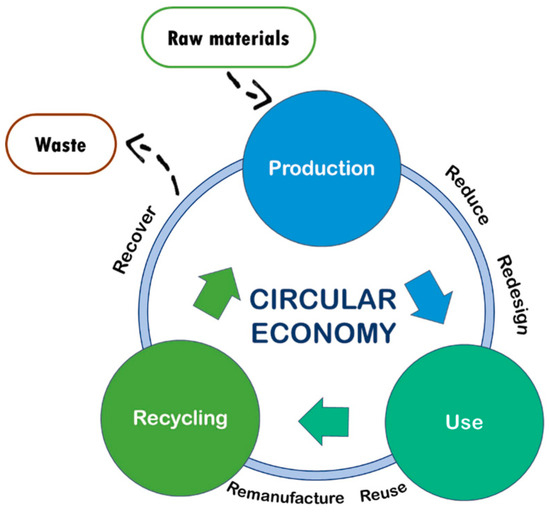
Sustainability is becoming an important focus in technology development. Consumers and companies are paying more attention to environmentally friendly gadgets and energy-efficient devices.
Many technology brands are now using recycled materials, reducing electronic waste, and designing products with lower energy consumption. Solar-powered gadgets and eco-friendly batteries are becoming more common.
Future gadgets may become more repairable and longer-lasting to reduce unnecessary waste. Sustainable technology helps protect the environment while meeting growing consumer demand for responsible products.
Eco-friendly innovation is expected to become a major trend in future gadget development.
Health Technology and Medical Gadgets
Health technology is one of the fastest-growing areas in the digital world. Medical gadgets and health-monitoring devices are helping people manage wellness more effectively.
Smart medical devices can monitor blood pressure, glucose levels, heart health, and physical activity in real time. Telemedicine and digital healthcare systems are also improving access to medical services.
Future health gadgets may provide early disease detection and personalized treatment recommendations through artificial intelligence and advanced sensors.
These technologies are making healthcare more accessible, efficient, and preventive.
Smart Transportation Gadgets
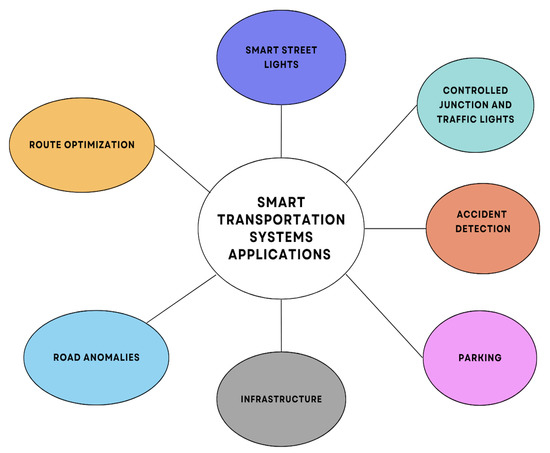
Transportation technology is also changing rapidly. Electric vehicles, self-driving systems, and smart navigation devices are transforming modern transportation.
Future transportation gadgets may include advanced driving assistance systems, connected vehicles, and AI-powered traffic management tools. Electric scooters and smart bicycles are also becoming popular for urban travel.
Smart transportation technology focuses on safety, efficiency, and environmental sustainability. As cities become more connected, transportation systems are expected to become smarter and more automated.
The Role of Technology in Daily Life
Future gadgets are becoming deeply connected with everyday activities. People now use technology for communication, shopping, education, fitness, entertainment, and productivity.
Digital assistants help organize schedules, wearable devices monitor health, and smart appliances automate household tasks. Technology is reducing manual effort while improving convenience and efficiency.
As gadgets continue evolving, the line between digital and physical life may become even smaller. Future technology will likely focus on creating smoother and more natural interactions between humans and machines.
Challenges of Future Technology
Although future gadgets offer many benefits, there are also concerns about privacy, security, and dependence on technology. Smart devices collect large amounts of personal data, which raises questions about digital privacy and cybersecurity.
Another challenge is electronic waste because technology products are replaced frequently. Responsible recycling and sustainable manufacturing will become increasingly important.
People may also become overly dependent on technology for basic tasks and communication. Balancing convenience with healthy technology use will remain important in the future.
Understanding both the benefits and risks of technology helps users make smarter decisions.
FAQ’s
Best Gadgets 2026: Trending Tech for Work, Home & Everyday Life
I can go online just to check the price of a phone, and somehow end…
Holiday Destinations 2026: Best Places for an Unforgettable Trip
Sometimes I start looking at travel places when I have absolutely no plan to travel….

Wellness Guide 2026: Easy Self-Care & Healthy Lifestyle Tips
I wake up after getting enough sleep, drink some water, open the curtains and start…

Fashion & Beauty Ideas 2026: Trending Outfits, Makeup & Skincare
I open Instagram to check one thing, and a few minutes later I am watching…

Latest Tech Deals: Best Offers on Gadgets & Electronics
I have a habit of checking tech deals even when I am not planning to…

Best Grocery Deals: Affordable Offers You Shouldn’t Miss
Grocery shopping sounds simple until you actually start doing it regularly. At first, you may…
