

Growth is something most people want, yet many struggle to achieve it consistently. At the beginning of every year, countless individuals set goals, make plans, and promise themselves that things will be different. Some focus on improving their health, while others aim to build stronger relationships, advance their careers, or achieve financial stability. However, as time passes, many of these goals are forgotten, and life returns to familiar routines.
The truth is that lasting growth rarely comes from dramatic changes or overnight success. Instead, it is the result of small improvements repeated consistently over time. The strongest, most successful, and most fulfilled people are often those who commit to becoming slightly better each year rather than chasing instant transformation.
Growing stronger year after year is not about perfection. It is about continuous progress, learning from experiences, and developing the habits and mindset needed to navigate life’s challenges. Whether your goal is personal development, professional success, improved health, or emotional resilience, the principles of long-term growth remain the same.
Understanding What True Growth Means
Many people associate growth solely with achievement. They measure success by promotions, income increases, physical transformations, or major accomplishments. While these milestones can be important, true growth goes much deeper.
Real growth involves becoming a stronger, wiser, and more capable version of yourself. It includes developing emotional intelligence, improving decision-making skills, building confidence, and learning how to adapt to change.
Growth is not always visible from the outside. Sometimes the most significant improvements happen internally. Learning how to handle stress more effectively, becoming more patient, or developing greater self-discipline may not attract attention from others, but these changes can have a profound impact on your life.
When you view growth as an ongoing journey rather than a destination, it becomes easier to appreciate progress and remain committed over the long term.
The Power of Consistency
One of the most important factors in long-term growth is consistency. Many people underestimate how much can be accomplished through small daily actions.
Imagine improving just one aspect of your life by a tiny amount each day. The change may seem insignificant in the moment, but over weeks, months, and years, those small improvements accumulate into remarkable results.
Consistency creates momentum. It transforms positive actions into habits and habits into lasting lifestyle changes. Unlike short bursts of motivation, consistency provides stability and direction even when enthusiasm fades.
The individuals who continue growing year after year are rarely the ones who work the hardest for a few weeks. They are often the ones who continue taking small steps forward long after others have stopped.
Developing a Growth Mindset
A growth mindset is the belief that abilities, intelligence, and skills can be developed through effort and learning. This perspective plays a critical role in long-term success.
People with a fixed mindset often view challenges as threats. They may avoid difficult situations because they fear failure or believe their abilities are limited. In contrast, individuals with a growth mindset see challenges as opportunities to learn and improve.
Every setback becomes a lesson rather than a defeat. Every mistake becomes a chance to gain valuable experience.
Developing this mindset requires a shift in perspective. Instead of asking, “Can I do this?” begin asking, “How can I learn to do this?” This simple change encourages continuous development and helps maintain motivation during difficult periods.
Setting Meaningful Goals

Goals provide direction and help focus your efforts. Without clear goals, personal growth can feel random and unstructured.
However, not all goals are equally effective. Meaningful goals align with your values and long-term vision. They provide a sense of purpose that extends beyond temporary motivation.
When setting goals, it is helpful to think about the person you want to become rather than focusing exclusively on specific outcomes. For example, instead of simply aiming to lose weight, focus on becoming a healthier individual. Instead of targeting a specific income level, focus on becoming more skilled and valuable in your profession.
This approach encourages sustainable growth because it emphasizes ongoing development rather than short-term achievements.
Learning as a Lifelong Habit
One of the defining characteristics of people who continue growing year after year is their commitment to learning. They understand that knowledge and skills are powerful tools for personal and professional advancement.
Learning does not end after formal education. In fact, some of the most valuable lessons come through real-world experiences, books, conversations, mentorship, and self-reflection.
The world is constantly changing. New technologies emerge, industries evolve, and societal expectations shift. Those who remain curious and open to learning are better equipped to adapt and thrive.
Making learning a regular habit ensures that you continue expanding your abilities and discovering new opportunities for growth.
Building Resilience Through Challenges
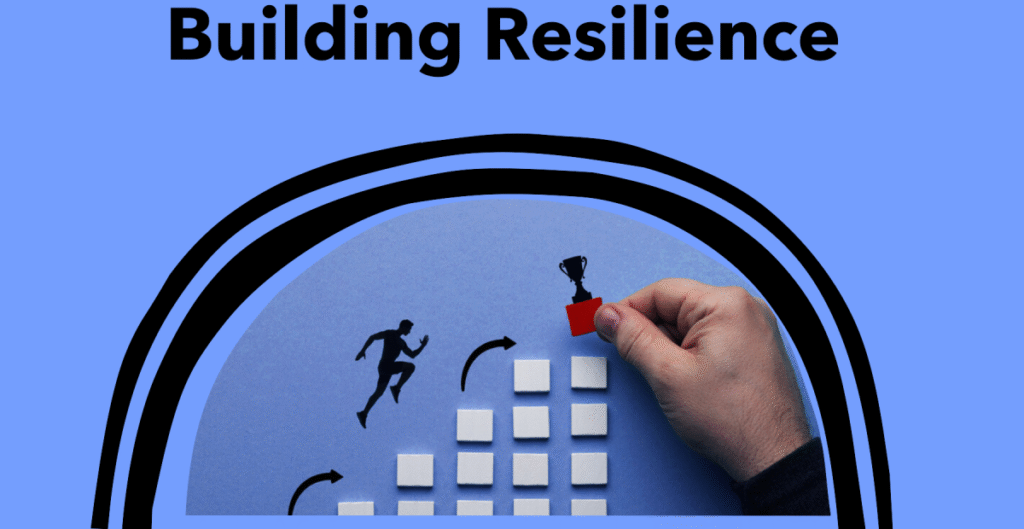
No growth journey is free from obstacles. Difficulties, setbacks, disappointments, and unexpected changes are inevitable parts of life.
Resilience is the ability to recover from these challenges and continue moving forward. It is one of the most valuable qualities you can develop.
Rather than viewing challenges as barriers, resilient individuals see them as opportunities to build strength. Each obstacle overcome increases confidence and prepares them for future difficulties.
Building resilience requires patience and self-belief. It means accepting that setbacks are temporary and understanding that growth often occurs during the most challenging periods.
The experiences that test you the most frequently become the experiences that teach you the most.
Taking Care of Your Physical Health
Personal growth is difficult to sustain without a strong foundation of physical well-being. Your body influences your energy, focus, mood, and overall quality of life.
Regular exercise, proper nutrition, adequate sleep, and stress management all contribute to long-term growth. When your physical health is neglected, it becomes more difficult to perform at your best in other areas of life.
Physical activity, in particular, offers benefits that extend beyond fitness. It can improve mental clarity, reduce stress, increase confidence, and support emotional resilience.
Investing in your health is one of the most effective ways to support continuous growth year after year.
Strengthening Relationships

Human connections play an important role in personal development. The people you spend time with can influence your mindset, habits, and outlook on life.
Supportive relationships provide encouragement during difficult times and celebrate your achievements along the way. They also offer valuable perspectives that can help you learn and grow.
At the same time, it is important to evaluate relationships that consistently drain your energy or discourage your progress. Surrounding yourself with positive, growth-oriented individuals creates an environment that supports your goals.
Strong relationships contribute to emotional well-being and provide a sense of connection that enhances overall life satisfaction.
Reflecting on Your Progress
Many people focus so heavily on future goals that they forget to acknowledge how far they have already come. Reflection is an essential part of continuous growth because it helps identify successes, lessons, and areas for improvement.
Taking time to review your experiences allows you to recognize patterns in your behavior and make more informed decisions moving forward.
Reflection also builds gratitude. By appreciating your progress, you develop greater confidence in your ability to continue growing.
Regular self-assessment ensures that your actions remain aligned with your goals and values while helping you stay focused on meaningful improvement.
Celebrating Small Wins
One of the biggest mistakes people make is waiting until they achieve a major goal before acknowledging success. This approach can make growth feel slow and discouraging.
Celebrating small wins creates positive reinforcement and helps maintain motivation. Every step forward matters, regardless of how minor it may seem.
Completing a workout, learning a new skill, finishing a project, or overcoming a challenge are all achievements worth recognizing.
These small victories build confidence and remind you that progress is happening, even when larger goals remain in the distance.
Conclusion
Growing stronger year after year is not about dramatic transformations or overnight success. It is about committing to continuous improvement and embracing the process of becoming a better version of yourself.
Through consistency, learning, resilience, meaningful goals, and self-reflection, anyone can create lasting growth over time. The journey may not always be easy, and progress may sometimes feel slow, but every effort contributes to the person you are becoming.
The most successful and fulfilled individuals understand that growth is a lifelong process. They focus on steady improvement, remain open to learning, and continue moving forward even when challenges arise.
By adopting this mindset and applying these principles, you can build a future defined not by temporary achievements but by continuous strength, wisdom, and personal development year after year.
FAQ’s
Best Gadgets 2026: Trending Tech for Work, Home & Everyday Life
I can go online just to check the price of a phone, and somehow end…

Holiday Destinations 2026: Best Places for an Unforgettable Trip
Sometimes I start looking at travel places when I have absolutely no plan to travel….

Wellness Guide 2026: Easy Self-Care & Healthy Lifestyle Tips
I wake up after getting enough sleep, drink some water, open the curtains and start…

Fashion & Beauty Ideas 2026: Trending Outfits, Makeup & Skincare
I open Instagram to check one thing, and a few minutes later I am watching…

Latest Tech Deals: Best Offers on Gadgets & Electronics
I have a habit of checking tech deals even when I am not planning to…

Best Grocery Deals: Affordable Offers You Shouldn’t Miss
Grocery shopping sounds simple until you actually start doing it regularly. At first, you may…
