

Last winter, I caught myself eating dinner Lifestyle & Wellness standing up, answering a work message with one hand and scrolling my phone with the other. I wasn’t in a rush and I wasn’t even that hungry. I was just so used to being “on” that sitting down felt like wasting time. When I finally put the plate down, I realised I couldn’t remember what I had eaten or what the day had even felt like.
I used to think balance meant doing everything well: work, fitness, family, friends, hobbies and a tidy house, all in one day. Every self-help post made it sound so easy, with perfect morning routines and colour-coded planners. In reality, trying to do it all left me tired, a little guilty and quietly annoyed at myself. If you’ve ever ended a busy day feeling like you did a lot but achieved nothing, you know exactly what I mean.
So I changed my approach. I stopped chasing a perfect schedule and started building small habits that bent with real life. I looked at where my energy was going, chose a few priorities, set some boundaries and made room for rest. It took a few weeks, but my days felt lighter. This guide shares what worked for me, and none of it needs a big budget, a fancy planner or a lot of free time.
Why We Feel Overwhelmed in the First Place

Most of us aren’t overwhelmed because life is too hard. We’re Lifestyle & Wellness overwhelmed because we carry too much at once, often without noticing. Phones buzz all day, tasks pile up, and everyone seems to want a little piece of our time. On top of that, we carry an invisible load of things to remember, like bills, birthdays, groceries and deadlines. Even small decisions, repeated hundreds of times, drain our energy. Add the habit of comparing ourselves with other people’s highlight reels, and it’s easy to feel permanently behind. Once you see where the weight is coming from, fixing it becomes much easier.
- Too many commitments quietly eat your energy
- Being always reachable means you never fully rest
- Comparison makes ordinary days feel like failures
Build a Simple Balance Base
Before changing your whole routine, spend an evening on the basics. Most people try to fix everything at once, and that’s exactly why new habits disappear within a week. A good base is a clear idea of what balance means for you, an honest look at your current week and a short list of priorities. It costs nothing, works whether you’re a student, a working professional or a homemaker, and makes every later step easier. Think of it like cleaning a cupboard: you can’t organise it properly until you see what’s inside. The three steps below, redefining balance, auditing your week and choosing priorities, are the foundation of this guide.


Redefine What Balance Means
Balance doesn’t mean giving equal time to every Lifestyle & Wellness part of your life. Some weeks your job needs more of you, and other weeks your family or your health does. The real goal is to make sure nothing important gets ignored for too long. A messy week can still be a healthy one, as long as the overall pattern feels fair. Once I understood this, a lot of pressure simply disappeared.
- Think of balance as a seesaw that keeps moving, not a statue
- Judge your week, not one single day
- Ask “Have I ignored anything important for too long?”
- Accept that priorities change with seasons and deadlines
- Let go of the idea of a perfect day
Do a Quick Life Audit
Set aside twenty minutes with a notebook and write Lifestyle & Wellness down how your last week really went. Don’t judge yourself, just notice. Most people are surprised to find hours disappearing into things they don’t care about, while the things they love get almost no time. Track your energy as well as your time, because some tasks take little time but leave you drained.
Here’s a simple way to run your audit:
| Question to Ask | What It Shows You | What to Do Next |
|---|---|---|
| What drained me this week? | Where your energy leaks | Reduce or delegate it |
| What made me feel good? | What deserves protection | Schedule it on purpose |
| What did I do only out of guilt? | Commitments that no longer fit | Drop or rethink one of them |
| When did I feel sharpest? | Your best hours of the day | Do hard tasks then |
| What did I keep postponing? | Hidden sources of stress | Pick one and finish it |
| Who did I forget to connect with? | Neglected relationships | Send a message today |
Choose Three Priorities
You can’t give your best to ten things at once. Pick three areas that matter most right now, such as health, family and work, and treat everything else as “good enough” for the moment. Write them somewhere you’ll see daily, like the first page of your notebook. Review the list once a month, because your priorities will change as life changes.
- Choose only three areas of focus
- Write them down where you can see them
- Allow “good enough” in everything else
- Cancel or pause one commitment that no longer fits
- Review the list every month
Habits That Work for Everyone

Whether you have a packed schedule or a flexible one, a few. Lifestyle & Wellness simple habits keep life steady. None of them need special tools, money or hours of free time. They’re small routines that quietly protect your energy and your mood. Some help you start the day calmly, some look after your body, and some protect your time from being taken by everyone else. Try the ones that suit you for a couple of weeks, and drop whatever doesn’t fit. The goal isn’t to follow a strict system. It’s to feel calm and in control most days.
Create a Gentle Daily Rhythm
Strict hourly schedules broke on me within days. A loose rhythm worked far better, because it bends when life gets unpredictable. Instead of planning every hour, I chose one small anchor for each part of the day. These anchors take just a few minutes, but they keep the day from feeling like a blur. Even on bad days, they give me something steady to hold on to.
- Morning: drink a glass of water before touching your phone
- Morning: write down the one thing that must get done today
- Midday: eat lunch away from your screen and walk for five minutes
- Evening: set a firm “shutdown time” for work
- Bedtime: note one good thing from the day
Take Care of Your Body Basics
When life gets heavy, sleep, food and movement are Lifestyle & Wellness the first things to slip, yet they hold everything else up. You don’t need an intense gym plan or a strict diet. Small habits you can repeat on tired days are the ones that last. Start with sleep, because almost everything feels harder when you’re exhausted. Then add gentle movement you actually enjoy,

like walking, dancing, cycling or stretching.
Keep regular sleep and wake-up times
Leave your phone away from your bed at night
Move for ten minutes a day and build slowly
Add one fruit or vegetable to a meal daily
Drink water regularly, and skip label
Set Boundaries Without Guilt
This was the hardest step for me, because I thought boundaries meant being difficult. They don’t. They’re just clear lines that let you do your best without burning out. People usually respect them more than you expect. A polite, honest “no” is kinder than a resentful “yes” that you regret later. You don’t owe a long explanation every time.
- Try saying: “I can’t take that on right now, but thanks for thinking of me”
- Wait a day before agreeing to anything big
- Tell colleagues when your workday ends
- Turn off notifications that aren’t urgent
- Keep one screen-free hour every day
Little Touches That Make Life Feel Lighter
Once the basics are working, small touches make everyday life feel warmer. Lifestyle & Wellness They don’t take much money or effort, but they turn a busy routine into something you can enjoy. A phone call with a friend, a hobby with no goal, a slow cup of tea or a walk at sunset can lift your mood more than another hour of productivity. Think of these as the cherry on top, not a must-do list.
Call or message one friend every week
Share a meal with family with phones away
Keep a hobby just for fun, with no goal or audience
Spend five minutes outside in some greenery
Celebrate small wins at the end of the day
If you enjoy planning, a weekly Sunday reset can help. Spend fifteen minutes looking back at what gave you energy and what drained it,

then choose your top three priorities for the week. If you prefer to keep things loose, a simple mental check-in is enough. Both work, as long as you pause now and then.
Match Your Week to Your Season of Life
Not every week asks for the same kind of balance. During exams, a deadline or a family event, it’s normal for one area to take over. What matters is giving something back afterwards. Knowing what to protect in each situation keeps you from feeling guilty about things you can’t control.
Here’s a quick guide to match your effort with the situation:
| Situation | What to Protect | Easy Habit |
|---|---|---|
| Busy work week | Sleep and meals | Set a firm shutdown time |
| Exam or deadline period | Short breaks and sleep | Walk for ten minutes daily |
| Family event or festival | Rest and personal time | Say no to one extra plan |
| Low-energy week | Basics only | Do three small tasks and stop |
| Free weekend | Joy and connection | Plan one thing you truly enjoy |
| Stressful phase | Mental space | Spend five quiet minutes daily |
Keep a Healthy Balance and Be Kind to Yourself
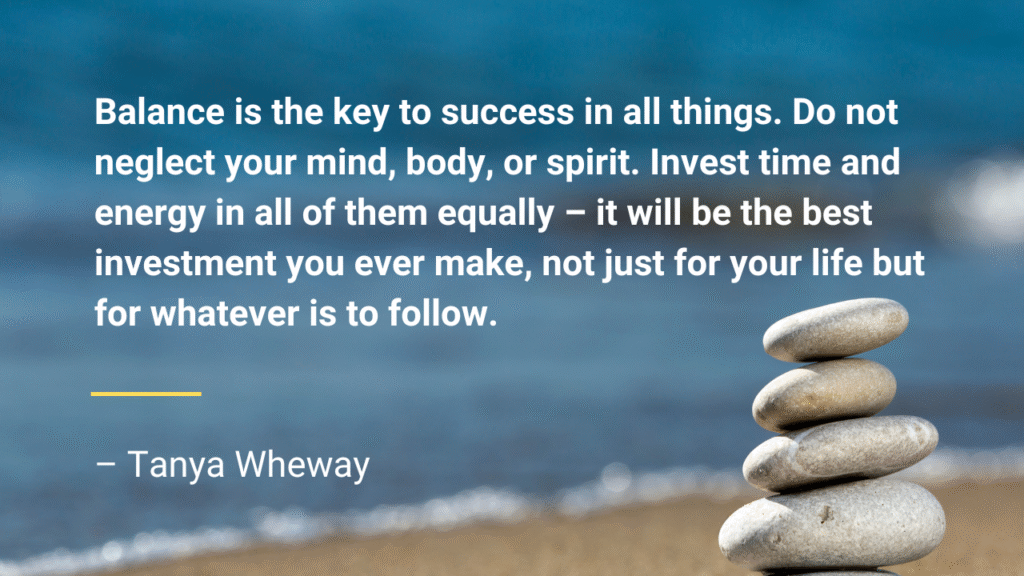
It’s easy to turn balance into another source of pressure, especially when you Lifestyle & Wellness start tracking habits and feel bad about every missed day. Please don’t. A missed day doesn’t ruin anything. Treat slip-ups as information, not failure, and go back to the basics. Don’t change everything at once either. Pick one habit, stick with it for two weeks, and only then add another. Also avoid copying someone else’s routine. A 5 a.m. schedule might work wonderfully for them and wreck you. Borrow ideas, but shape them around your own life.
- Start with one habit at a time
- Treat missed days as feedback, not failure
- Avoid copying other people’s routines
- Rest before you’re burned out, not after
- Check in with yourself once a week
When to Ask for Help
Sometimes habits alone aren’t enough. If you feel constantly exhausted, anxious or low for weeks, or if you’ve lost interest in things you used to enjoy, it’s wise to talk to someone. That could be a trusted friend, a family member, a counsellor or a doctor. Asking for help isn’t a sign of weakness. It’s a sensible step, just like seeing a doctor for a fever. Balance isn’t a finish line you cross once. It’s more like riding a bicycle, where you keep making tiny corrections to stay upright. Some days you’ll wobble, and that’s completely normal. Start with one small idea from this guide, try it this week, and let your life slowly feel like yours again.
FAQs
1. What does a balanced lifestyle really mean?
It means making sure nothing important gets ignored for too long, not giving equal time to everything.
2. How do I start if I feel overwhelmed?
Write down your week, pick three priorities and drop one commitment that no longer fits.
3. How many habits should I start with?
Just one. Stick with it for two weeks before adding another.
4. How do I say no without feeling guilty?
Try: “I can’t take that on right now, but thanks for thinking of me.”
5. When should I ask for help?
If you feel exhausted, anxious or low for weeks, talk to a trusted person, a counsellor or a doctor.