

Two Diwalis ago, I walked into a market on Dhanteras with Diwali a rough plan and a full wallet. By the time I came home, I had bought three extra boxes of decorative lights, a set of fancy diyas I already had a version of, and sweets for people I hadn’t even planned to visit. The bags were heavy, my wallet was empty, and I still had gifts left to buy. I sat on the floor that night, going through the receipts, and wondered where all that money had gone.
I used to think a good Diwali meant spending freely, because it only comes once a year. Every shop display, every sale banner and every “festive offer” message pushed the same idea. In reality, the money rarely disappeared on big purchases. It leaked away through small, unplanned ones that felt harmless in the moment. If you’ve ever finished the festival happy but slightly worried about your bank balance, you know exactly what I mean.
So I changed my approach. I decided on a total amount before shopping, split it into categories, wrote a list and gave myself a few simple rules for sale season. The next Diwali felt calmer, and I still had everything I wanted. This guide shares what worked for me, and none of it needs a finance degree, a fancy app or a big income.
Why Diwali Shopping Goes Over Budget So Easily

Diwali is the one time of year when almost everything feels necessary Diwali . Clothes, sweets, decorations, gifts, cleaning supplies, fireworks and travel all pile up within a few weeks, and each of them seems small on its own. Shops run sales for days, messages arrive from every app, and everyone around you seems to be buying something new. The problem is rarely one big expense. It is the many small ones that nobody planned, which together can double what you meant to spend. Seeing where the money leaks is the first step to stopping it.
- Long festive sales push you to buy things you hadn’t planned
- Small purchases like lights, candles and snacks quietly add up
- Gifts for extra people appear at the last minute
- Shopping late means higher prices and rushed decisions
- Buy-now-pay-later offers hide the true cost of a purchase
- Comparing your celebration with others makes your own feel “not enough”
Build a Simple Budget Base
Before opening any shopping app or heading to the market, spend an evening on the basics. Most people start with the shopping and only count the cost afterwards, and that is exactly how budgets collapse. A good base is a clear total, a rough split by category and a list of who and what you are shopping for. It costs nothing, works for any family size and income, and makes every later decision easier. Think of it like packing for a trip: you decide the size of the bag first, and then you choose what goes inside.
Decide Your Total Amount
Start with one honest question: how much can I spend on Diwali without worrying afterwards? Look at your income, your regular bills and any savings you don’t want to touch. If you receive a festival bonus, treat it as a bonus, not as a reason to spend double. Write the number down and treat it as a limit, not a target. If you’re sharing expenses with your family, agree on the figure together before anyone starts shopping.
- Check your regular monthly expenses first
- Decide a total you can spend without stress
- Treat any bonus carefully, and save part of it
- Agree on the figure with your family early
- Avoid borrowing money for celebrations
Split It Into Categories
A single big number is hard to manage, so divide it. Give each category a share, and adjust it to your own family. A household that hosts guests will spend more on food, while a family that travels will spend more on tickets. Here is a simple split you can start with:
| Category | Rough Share of Budget | What It Covers |
|---|---|---|
| Clothes and tailoring | 25–30% | Festive outfits, alterations, footwear |
| Food and sweets | 20–25% | Mithai, snacks, dry fruits, festive meals |
| Gifts | 15–20% | Family, friends, colleagues, house help |
| Decorations and puja items | 10–15% | Diyas, lights, rangoli, flowers, puja samagri |
| Cleaning and home repairs | 5–10% | Painting, supplies, small fixes |
| Emergency cushion | 10% | Last-minute needs and small surprises |
Make a Name-by-Name List
Write down every person you plan to buy for, and note what you will spend on each. Do Diwali the same for every item you need at home. It sounds boring, but this single page stops most of the impulse buying. Keep the list on your phone and cross things off as you go. If something isn’t on the list, pause before buying it.
- List every person you want to gift
- Set a small amount for each name
- Write down household items you really need
- Mark things you already own, so you don’t repeat them
- Keep the list where you can see it while shopping
Smart Ways to Shop Without Overspending
Once your base is ready, shopping becomes simpler. You know your limit, your categories and your list, so you can focus on getting good value instead of getting carried away. The goal is to buy fewer, better things and avoid anything that only looks good on a shelf. A little patience here saves a lot of money.


Start Early and Compare Prices
Prices often rise close to the festival, and the best options sell out first. Start a few weeks ahead, add items to a wishlist and watch the price for a few days. Compare the same item in your local market, a wholesale shop and one or two websites, and always check the final price after delivery. Read recent reviews with real customer photos, and check the return policy before paying. A discount is only a good deal if you were already planning to buy the item.
- Begin shopping two to three weeks before Diwali
- Compare prices in at least three places
- Check delivery charges and return policies
- Read recent reviews, especially the average ones
- Skip any sale on items that are not on your list
Pay in a Way You Can Track
How you pay changes how much you spend. Cash feels real, so many people spend less with it, while cards and apps make spending feel painless. Choose one method for each category if that helps, such as withdrawing cash for the market and using your card only for online orders. Check your balance every few days, and note each purchase in a simple notes app. Be careful with credit cards and “pay later” offers, since a small festive purchase can turn into a big bill after interest.
- Withdraw a fixed amount of cash for local shopping
- Keep a running total in your notes app
- Check your balance every two or three days
- Avoid credit or EMI for things you only need once
- Stop shopping when a category is used up
Save Without Losing the Festive Feel

Saving money on Diwali doesn’t mean a dull celebration. Many of the most memorable parts of the festival cost very little. Homemade sweets, hand-painted diyas, flower rangoli and a neatly cleaned home make a house feel festive far more than expensive imports do.
Choose Homemade and Local
Try making one or two sweets at home instead of buying everything from a shop. It costs less, tastes better and turns into a family activity. Buy flowers, diyas and rangoli colours from local sellers, who are often cheaper and happy to bargain politely. Gift boxes of homemade snacks, dry fruits or a potted plant feel more personal than a branded item, and they usually cost less too.
- Make one or two sweets at home
- Paint plain clay diyas with your family
- Buy flowers and diyas from local sellers
- Pack homemade snacks as gifts
- Reuse last year’s decorations with a few new additions
Little Touches That Don’t Cost Much
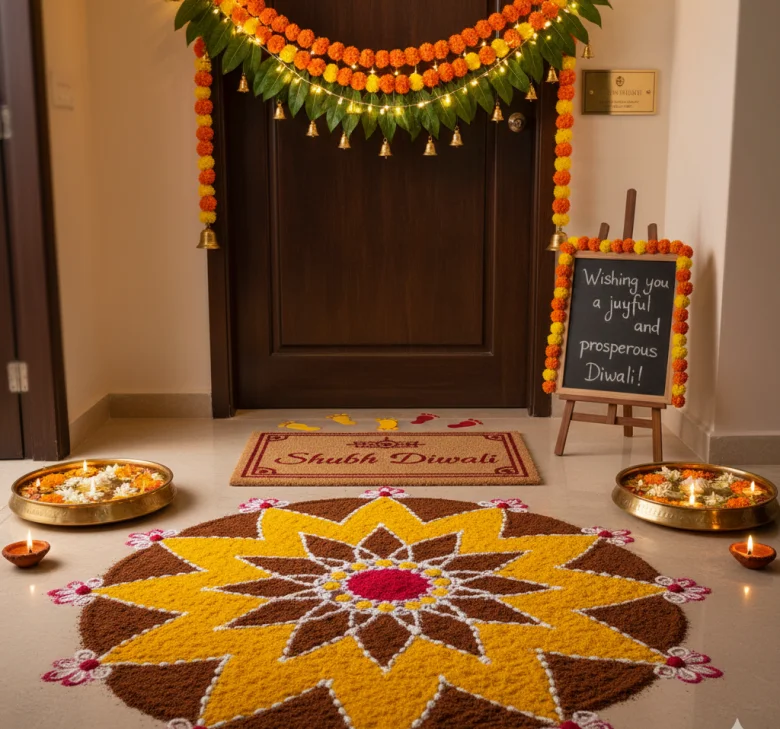
Once the main purchases are done, small touches make the festival feel warm without adding much to the bill. Think of them as the cherry on top, not a must-do list.Once the main purchases are done, small touches make the festival feel warm without adding much to the bill.
- Fresh flowers at the entrance instead of artificial decor
- A handwritten note with each gift
- A string of old lights, cleaned and rearranged
- A small diya in the balcony or window
- Playing traditional songs or bhajans in the background.
- A family photo in festive clothes taken in natural light
- Traditional songs or bhajans playing in the background
A handwritten note, a few fresh flowers or a neatly rearranged string of lights can make a home feel festive.
Here is a quick guide to match common expenses with easy ways to save:
| Expense | Where It Usually Grows | Easy Way to Save |
|---|---|---|
| Sweets and snacks | Buying many boxes for many people | Make a few at home and gift in small portions |
| Clothes | A new outfit for every function | Reuse pieces with new dupattas or jackets |
| Gifts | Expensive items for everyone | Set a small, fixed amount per person |
| Decorations | New lights and decor every year | Reuse and add only a few new pieces |
| Cleaning and repairs | Hiring help at festive rates | Start cleaning early and do small jobs yourself |
| Fireworks | Spending heavily in one evening | Choose fewer, safer options or skip them |
Stay Safe and Avoid Scams
A festive budget can also be damaged by fraud. Fake offers, copied websites and pushy sellers show up in every sale season, and a rushed buyer is an easy target.
Be Careful With Online Deals
If a deal looks far cheaper than everywhere else, be suspicious. Shop only from trusted websites and apps, check the web address carefully and read reviews from real buyers. Avoid clicking on offers sent through random messages or unknown links. Keep the order confirmation and delivery details until the product arrives and works properly.
- Use only trusted apps and official brand stores
- Check the website address before entering payment details
- Ignore deals sent by unknown numbers or links
- Compare the price with at least two other sellers
- Keep screenshots of orders and receipts
Protect Your Payments

Never share your OTP, PIN or card details with anyone, even if they claim to be from a bank or delivery service. Avoid making payments on public Wi-Fi. If you buy from small sellers on social media, prefer cash on delivery or payment after checking the product when possible. Check your bank statement after the festival to make sure every charge is yours.
- Never share OTPs, PINs or card details
- Avoid payments on public Wi-Fi
- Prefer cash on delivery with new or unknown sellers
- Set daily limits on your cards and apps
- Review your statement after Diwali
When to Splurge and When to Save
A budget doesn’t mean you can never spend on something special. If there is one thing your family truly cares about, like a well-made outfit, a good meal together or a gift for someone who has done a lot for you, it is worth paying a little more. Save on things that are used once or go out of style quickly, like trendy decorations, extra gift hampers or loud fireworks. If you slip and overspend a little, don’t be hard on yourself. Note what happened, adjust next year’s plan and move on. Diwali is about warmth, light and the people around you, not about how much you spent. A smart budget simply makes sure you can enjoy the festival now and still feel comfortable when the lamps are put away.
FAQs
1. How much should I spend on Diwali?
Choose a total you can spend without stress, and treat it as a limit, not a target.
2. How do I split my Diwali budget?
Divide it into clothes, food, gifts, decorations, cleaning and an emergency cushion of about 10%.
3. When should I start shopping?
Two to three weeks early, so you can compare prices and avoid last-minute rush rates.
4. How can I avoid impulse buying?
Shop with a written list and skip any sale on items that are not on it.
5. How do I stay safe from online scams?
Use trusted apps, never share OTPs or card details, and be careful with deals that look too cheap.