
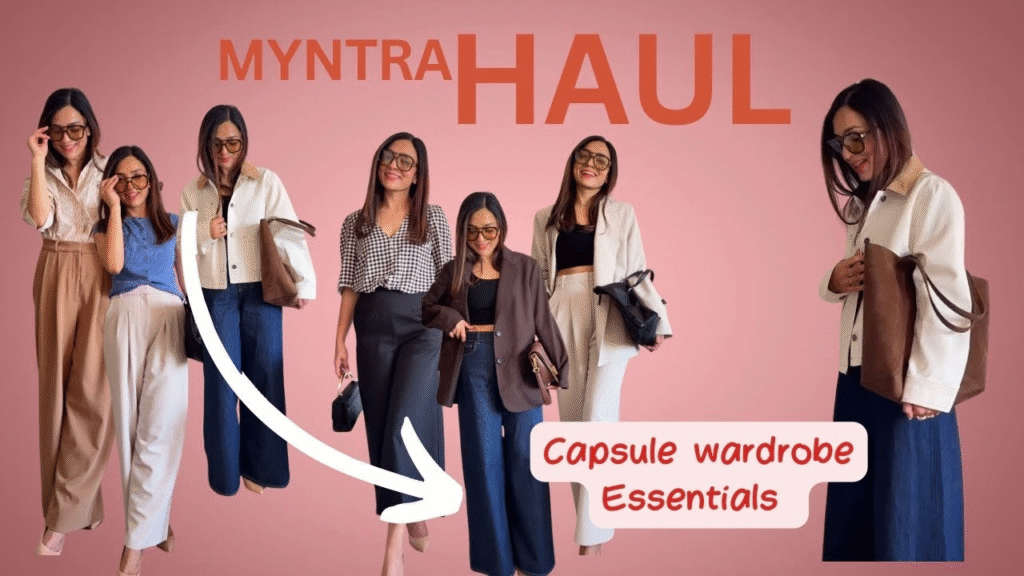
Last spring, I stood in front of my overflowing wardrobe at Fashion & Beauty in the morning, running late, and realized I had nothing to wear. That wasn’t true, of course. I had shirts with tags still on, jeans that stopped fitting two years ago and a stack of “maybe someday” outfits. But I kept wearing the same four things on repeat, and the rest just sat there making me feel guilty. This guide shares the simple habits that helped me build a smaller wardrobe I actually love, without spending a fortune or following strict rules.
The strange part is that I thought more clothes meant more choices. In reality, it meant more stress. Every morning started with digging, trying things on and changing my mind. Sale seasons made it worse, because I’d buy something just because it was cheap, then never wear it. I felt like I was always shopping and still had nothing to wear. Maybe you’ve felt this too, that heavy feeling when a full wardrobe still can’t give you one good outfit.
So I changed my approach. I cleared out what I didn’t wear, picked a few colours I loved, bought fewer but better pieces and learned to take care of them. Within a month, getting dressed took five minutes instead of twenty, and I felt more like myself. Nothing in this guide needs a big budget or a perfect sense of fashion. If you try even two or three ideas, you’ll feel the difference quickly.
Why a Full Wardrobe Still Feels Empty
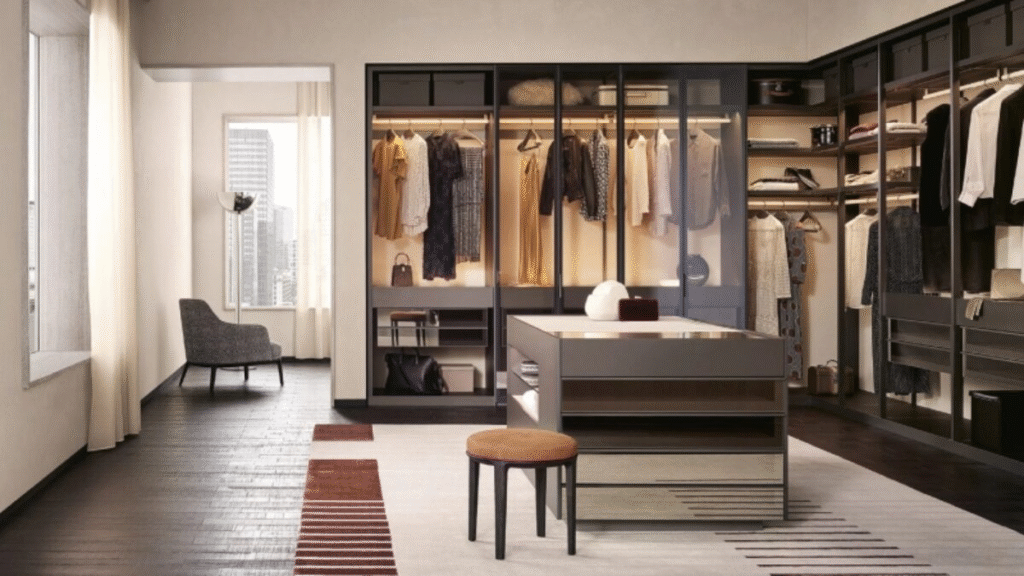
Most of us wear only a small part of what we own, often around twenty percent, Fashion & Beauty while the rest sits untouched. Clothes get bought for a mood, a sale or a version of ourselves we imagine but never become. Trends move fast, shops push new arrivals every week, and social media makes us feel that last month’s outfit is already old. When you keep chasing all of it, your cupboard fills up and your confidence drains. A minimalist wardrobe isn’t about owning almost nothing. It’s about owning things you truly use, so every piece earns its place.
- A full wardrobe doesn’t mean a useful one
- Trends fade, but good basics stay
- Fewer, better clothes save time and money
Build a Simple Wardrobe Base
Before buying anything new, look at what you already have. Fashion & Beauty Most people jump straight to shopping, and that’s exactly how the clutter starts again. A good base is a small collection of clothes that fit well, match each other and suit your daily life. It takes a weekend to set up, costs very little, and works whether you dress for an office, college, home or a mix of everything. Think of it like a kitchen with a few good utensils: you don’t need fifty gadgets when five do the job beautifully. The three steps below, clearing out, choosing colours and picking basics, are the foundation, and the rest of this guide becomes much easier once they’re done.
Clear Out What You Don’t Wear
Take everything out and place it on your bed. Hold each piece and ask honestly: Fashion & Beauty do I wear this, does it fit, and do I feel good in it? If the answer is no for all three, let it go. Keep a small “maybe” box for things you’re unsure about, tape it shut and write today’s date on it. If you don’t open it in three months, donate it without looking inside. Giving
Giving clothes away feels hard at first, but it gets lighter very quickly, and someone else will actually use them.
- Remove clothes that don’t fit or feel uncomfortable
- Let go of items with damage you’ll never repair
- Donate things you haven’t worn in a year
- Keep a “maybe” box for three months
- Stop holding on to clothes bought for a “someday” version of you
Choose a Colour Palette You Love
A simple colour palette is the quiet secret behind every easy wardrobe. Fashion & Beauty Pick two or three neutral shades, like navy, white, grey, beige or black, then add one or two colours that make your face look bright. When most of your clothes share a palette, everything matches with everything, and you stop worrying about combinations. Look at the clothes you already wear most and notice which colours show up again and again. That’s usually your natural palette.
- Pick two or three neutral base colours
- Add one or two accent colours you enjoy
- Choose shades that suit your skin tone
- Avoid buying colours you’ve never worn before
- Check that new pieces match at least three things you own
Pick Quality Basics That Last
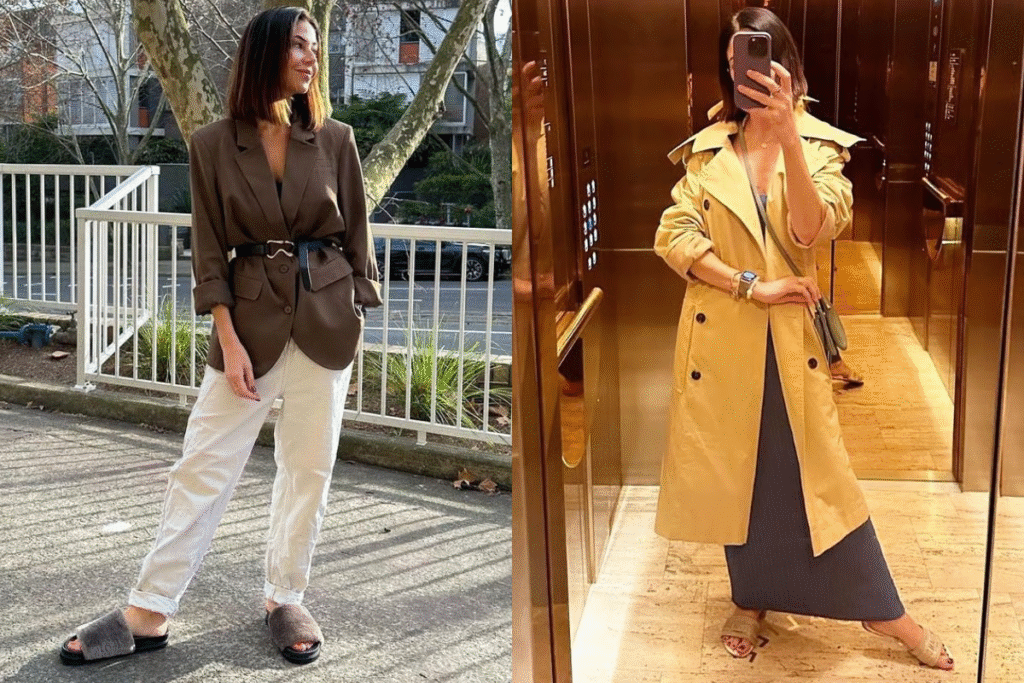
A few well-made basics do more work than a crowded rack of cheap pieces. Fashion & Beauty Look for good fabric, Fashion & Beauty solid stitching and a cut that flatters you, because these things decide how long a garment survives and how good it looks. Feel the cloth, check the seams and stretch the fabric gently before you buy. A pair of well-fitting trousers worn two hundred times is far cheaper than five pairs you wear twice.
Here’s a simple starter list you can follow:
| Piece | What to Look For | Why It Helps |
|---|---|---|
| Plain white shirt or top | Soft cotton, good fit at the shoulders | Works for work, family events and casual days |
| Well-fitting jeans | Dark wash, comfortable waist | Goes with almost everything |
| Neutral trousers | Wrinkle-resistant fabric | Easy to dress up or down |
| Light jacket or cardigan | Neutral colour, clean cut | Adds a polished layer in minutes |
| Comfortable shoes | Sturdy sole, clean finish | Keeps you steady through long days |
| A traditional outfit | Colour that suits you, good tailoring | Ready for weddings and festivals |
Habits That Work for Everyone
Whether you love fashion or simply want to look neat, a few simple rules Fashion & Beauty keep your wardrobe light for years. None of them need special skills, a big budget or a lot of free time. They’re small habits that quietly protect your money, your space and your mood. Some help you shop smarter, some help your clothes last longer, and some simply make mornings calmer. Try the ones that suit you for a few weeks, and drop whatever doesn’t fit your life. The goal isn’t to follow a strict system. It’s to feel comfortable and put-together without effort.
Focus on Fit Above Everything
Clothes that fit well look better than expensive ones that don’t. A shirt that’s too Fashion & Beauty loose or trousers that are too long make even a great outfit look careless. If you love a piece but the fit is slightly off, a local tailor can fix it for a small cost. Shortening a hem or taking in a waist often turns a “maybe” into a favourite. Always try things on and walk, sit and raise your arms before you decide.
- Check shoulders, waist and length every time
- Walk and sit in the clothes before buying
- Visit a tailor for small adjustments
- Avoid buying a size “to fit into later”
- Let go of anything too tight or too loose
Shop Slowly and Thoughtfully

The easiest way to keep a minimalist wardrobe is to slow down before you buy. Fashion & Beauty If you spot something you like, wait a few days. If you still want it and know exactly what you’ll wear it with, it’s probably a good buy. Impulse purchases, especially during sales, are the main reason cupboards overflow. Keep a short list of what you actually need, and stick to it.
- Wait 48 hours before buying non-essentials
- Ask “Do I have three outfits for this?”
- Skip a sale if it’s not on your list
- Unsubscribe from shopping emails and alerts
- Try the “one in, one out” rule
Care for Your Clothes
Good care makes clothes last years longer. Read the washing label, wash in cool water when possible and avoid over-drying delicate fabrics. Hang shirts properly, fold knitwear instead of hanging it, and fix loose buttons and small tears right away. Clean, ironed clothes also look more expensive than they are, which matters more than any brand name.
- Wash less often and follow the care label
- Air-dry delicate and fitted clothes
- Repair small damage before it grows
- Store shoes clean and dry
- Rotate your favourites so none wears out too fast
Little Touches That Make It Feel Personal
A minimalist wardrobe doesn’t have to feel plain or boring. Once your basics are in place, small finishing touches are what make your style feel like yours. They don’t take much money or effort, but they turn simple outfits into something memorable. A good scarf, a favourite watch, a pair of earrings or a belt you love can lift the most basic combination. Think of them as the cherry on top, not a must-have list.
- A simple watch or a thin chain
- A scarf or stole in your accent colour
- A well-kept leather belt or bag
- Clean, polished shoes
- A light fragrance, used sparingly
If you enjoy bold prints or bright colours, keep one or two such pieces and let the rest stay simple. If you prefer a calm, neutral look, that’s equally fine. Minimalism is about choosing carefully, not about fol
Match Your Wardrobe to the Season
Your wardrobe should change with the weather without doubling in size. Keep a small set of pieces for each season and store the rest neatly, so your cupboard never feels crowded. Layering is the easiest trick: a light jacket over a shirt in cooler months, Fashion & Beauty and breathable cotton or linen in the heat. Having fewer, flexible pieces means you can mix and match instead of buying a whole new set every season.
Here’s a quick guide to match your clothes with the season:
| Season | Key Pieces | Easy Habit |
|---|---|---|
| Summer | Cotton shirts, linen trousers, light colours | Choose breathable fabrics |
| Monsoon | Quick-dry tops, dark bottoms, sturdy footwear | Keep one spare outfit handy |
| Winter | Sweater, jacket, scarf, warm layers | Layer instead of buying bulky items |
| Festive time | One or two traditional outfits | Reuse them with new accessories |
| Travel | Mix-and-match neutrals | Pack outfits that work together |
Keep a Healthy Balance and Stay on Budget
It’s easy to turn minimalism into another source of pressure, especially when social media Fashion & Beauty shows perfectly arranged cupboards. Your wardrobe doesn’t have to look like a magazine. It has to work for your life, your body and your budget. Don’t throw away useful clothes just to look minimal, and don’t spend a lot on “perfect” basics all at once. Build slowly, replace things only when they wear out, and enjoy the process. A calm, practical wardrobe grows over time, not in one weekend.
- Don’t toss useful clothes just to look minimal
- Set a small monthly or yearly clothing budget
- Replace items only when they wear out
- Buy second-hand when it makes sense
- Ignore trends that don’t suit you
When to Update and When to Hold On
Your style will change as your life does, and that’s completely normal. Fashion & Beauty A new job, a new city or a change in your body might mean some clothes no longer fit your routine. When that happens, review your wardrobe gently instead of starting from scratch. Keep what still works, replace what doesn’t, and don’t feel guilty about letting go. A wardrobe that never goes out of style isn’t one that never changes. It’s one built on fit, comfort and colours you love, so it keeps working no matter what the trends say.
FAQs
1. What is a minimalist wardrobe?
It is a collection of versatile clothes that are easy to mix and match.
2. How do I start building a minimalist wardrobe?
Start with basic pieces, neutral colors, and clothes you wear often.
3. Which clothes are essential for a minimalist wardrobe?
Choose plain T-shirts, jeans, classic shirts, trousers, and a versatile jacket.
4. How can I make my wardrobe timeless?
Focus on classic styles, good-quality fabrics, and comfortable fits.
5. Can I build a minimalist wardrobe on a budget?
Yes, buy slowly, shop thoughtfully, and prioritize quality over quantity.