

The online business environment is evolving rapidly, and by 2026, web hosting will play an even bigger role in business success than ever before. Hosting is no longer just a technical service that keeps a website online. It has become the backbone of digital operations, customer experience, cybersecurity, scalability, and long-term growth.
Businesses of all sizes are becoming more dependent on digital platforms. Whether it is an eCommerce store, a SaaS company, a corporate website, or a personal brand, reliable hosting directly affects performance and customer trust. A slow or insecure website can damage a company’s reputation within minutes, while fast and secure hosting can improve user satisfaction and increase conversions.
Strictly Hosts 2026 represents the next generation of hosting standards that businesses need to understand in order to stay competitive. Modern hosting is becoming smarter, faster, more secure, and more flexible. Companies that fail to adapt to these changes may struggle to keep up in a highly competitive online market.
The Changing Role of Web Hosting
In the past, hosting was often viewed as a simple service that stored website files and databases. Businesses usually selected the cheapest plan available without considering long-term performance or security.
That mindset is changing quickly.
In 2026, hosting is closely connected to business performance. Search engine rankings, customer retention, page speed, mobile responsiveness, and cybersecurity all depend heavily on hosting quality.
A website that crashes frequently or loads slowly can push customers away almost instantly. Consumers now expect websites to function smoothly across all devices. They also expect secure browsing experiences and uninterrupted service availability.
As online competition increases, businesses are realizing that hosting is not just an IT expense. It is a strategic investment that directly influences revenue and brand reputation.
Website Speed Will Be More Important Than Ever
Speed has become one of the most critical elements of online success. Customers do not want to wait for websites to load. If pages take too long, visitors often leave before exploring products or services.
Search engines like Google also prioritize fast websites in search rankings. This means hosting performance can influence how easily customers discover a business online.
These technologies reduce loading times and improve website responsiveness.

In 2026, hosting providers are focusing heavily on advanced speed optimization technologies. Businesses can expect improvements in:
Lightweight server architecture
NVMe and SSD storage systems
Edge computing networks
Advanced caching solutions
Content delivery networks
AI-based performance optimization
For businesses, this means better customer engagement, lower bounce rates, and stronger conversion rates. Fast websites also improve mobile experiences, which is especially important as mobile internet usage continues growing worldwide.
Businesses that ignore performance optimization may struggle to compete in an environment where speed directly affects customer decisions.
Security Has Become a Business Priority
Cybersecurity threats are increasing every year, and businesses are becoming major targets for cybercriminals. Data breaches, ransomware attacks, phishing scams, and malware infections can create serious financial and reputational damage.
In 2026, businesses are expected to invest in hosting providers that offer strong built-in security systems.
Modern hosting services now include features such as:
- Automated malware scanning
- Real-time monitoring
- Web application firewalls
- DDoS protection
- Daily backups
- SSL encryption
- Multi-factor authentication
- AI-powered threat detection
Customers are more aware of online privacy and data protection than ever before. If a business fails to protect customer information, trust can disappear quickly.
Government regulations are also becoming stricter regarding data security and privacy compliance. Businesses operating internationally may need to meet multiple security standards depending on their market.
Reliable hosting providers help businesses reduce risks by offering advanced security infrastructure and rapid incident response systems.
Security is no longer optional. It is now a core requirement for any serious online business.
Cloud Hosting Will Continue to Dominate
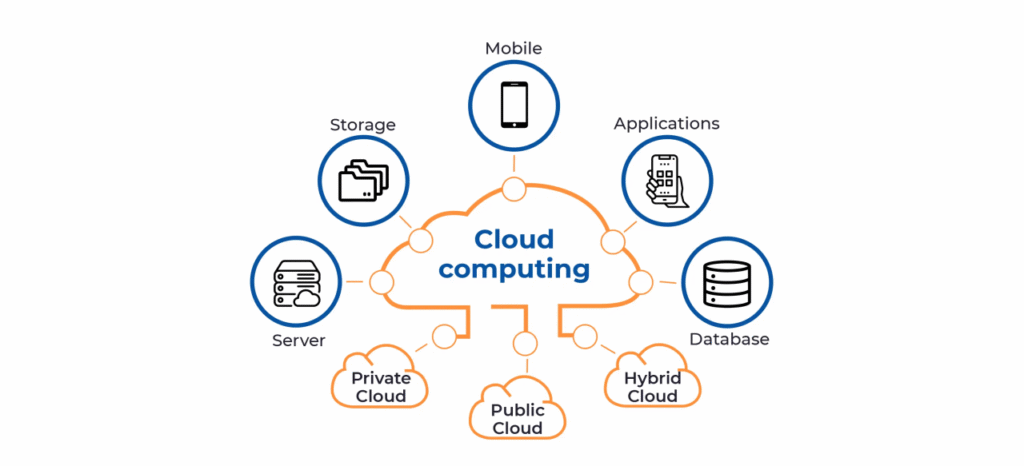
Traditional shared hosting is gradually becoming less suitable for growing businesses. Modern companies require more flexibility, scalability, and reliability than older hosting systems can provide.
Cloud hosting is emerging as the preferred solution for many businesses entering 2026.
Unlike traditional hosting, cloud environments distribute website resources across multiple connected servers. This creates better reliability and improved uptime because failures on one server do not automatically bring down an entire website.
Cloud hosting also allows businesses to scale resources based on demand. During traffic spikes, additional resources can be activated instantly.
This flexibility is especially valuable for:
- eCommerce websites
- Streaming platforms
- SaaS businesses
- News websites
- High-traffic applications
Cloud infrastructure helps businesses grow without constantly migrating servers or rebuilding hosting systems.
Hybrid cloud environments are also becoming popular. These systems combine public and private cloud solutions to balance performance, cost, and security.
Businesses planning long-term growth should consider cloud-based hosting strategies as part of their digital infrastructure planning.
Artificial Intelligence Is Transforming Hosting

Artificial intelligence is becoming deeply integrated into modern hosting services. Hosting companies are now using AI to automate tasks, improve security, and optimize performance.
AI-powered systems can monitor server activity continuously and identify potential issues before they become serious problems.
Some important uses of AI in hosting include:
- Predictive maintenance
- Automatic traffic balancing
- Resource optimization
- Intelligent threat detection
- Performance monitoring
- Customer support automation
For businesses, this means fewer technical disruptions and more stable online operations.
AI also improves efficiency by reducing the need for manual server management. Hosting environments can automatically adjust resources based on real-time traffic conditions.
As AI technology improves further, businesses can expect hosting platforms to become more intelligent and self-managing.
This shift allows companies to focus more on business growth rather than technical maintenance.
Sustainability Is Influencing Hosting Decisions

In 2026, environmentally responsible hosting may include:
- Renewable energy-powered data centers
- Energy-efficient hardware
- Carbon offset programs
- Sustainable cooling technologies
- Reduced electronic waste
Customers increasingly prefer brands that support environmentally responsible practices. Businesses are also paying closer attention to the sustainability policies of their technology partners.
Environmental sustainability is becoming a major factor in the technology industry. Data centers consume enormous amounts of electricity, and businesses are under pressure to reduce their environmental impact.
Many hosting providers are now investing in green energy solutions and sustainable infrastructure.
Green hosting is no longer just a marketing strategy. It is becoming an important part of corporate responsibility and long-term operational planning.
Businesses that choose sustainable hosting providers can strengthen both their environmental goals and brand reputation.
Managed Hosting Is Becoming More Popular
Many businesses no longer want the responsibility of managing technical hosting tasks internally. Instead, they are choosing managed hosting services that handle maintenance and server operations.
Managed hosting providers typically take care of:
- Software updates
- Security patches
- Backups
- Performance optimization
- Technical troubleshooting
- Server monitoring
This approach reduces the workload on internal teams and minimizes technical risks.
Managed hosting is especially valuable for small and medium-sized businesses that may not have dedicated IT departments.
In 2026, businesses are focusing more on efficiency and productivity. Outsourcing complex hosting management allows companies to concentrate on customer service, sales, and growth strategies.
The demand for managed solutions is expected to continue rising as digital systems become more advanced.
Reliability and Uptime Expectations Are Increasing
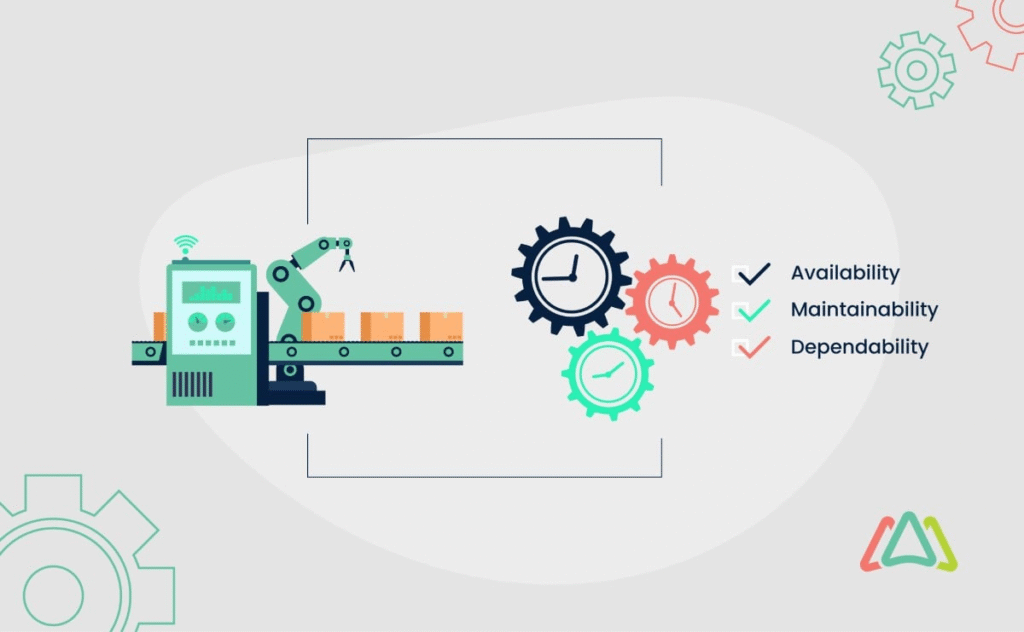
Website downtime can create major financial losses for businesses. Customers expect websites and applications to remain accessible at all times.
Even a short outage can lead to lost revenue, damaged customer trust, and negative brand perception.
Modern hosting providers are investing heavily in redundancy systems and failover technologies to improve reliability.
Businesses should carefully evaluate uptime guarantees when selecting a hosting provider. Reliable providers typically offer service-level agreements that guarantee high availability standards.
In 2026, businesses are expected to demand near-perfect uptime for mission-critical operations.
Reliable hosting infrastructure is especially important for industries such as:
- Online retail
- Banking
- Healthcare
- Education
- Media and entertainment
As customer expectations continue rising, uptime reliability will remain one of the most important hosting factors.
Customer Support Still Matters
Despite advancements in automation and AI, human customer support remains extremely valuable in hosting services.
Technical problems can occur unexpectedly, and businesses need fast assistance when issues arise.
Strong hosting providers offer:
- 24/7 technical support
- Live chat assistance
- Fast response times
- Experienced support engineers
- Transparent communication
Poor customer support can turn small technical issues into major business disruptions.
Businesses should not focus only on pricing when choosing hosting services. Support quality can have a major impact during emergencies or unexpected outages.
Reliable communication and fast problem resolution remain essential parts of professional hosting services.
Preparing for the Future of Hosting

Businesses entering 2026 must think carefully about their long-term hosting strategies. Digital infrastructure is becoming more complex, and choosing the right hosting provider can influence business success for years.
Before selecting a hosting solution, businesses should evaluate:
Future growth plans
Website traffic expectations
Security requirements
Scalability needs
Budget flexibility
Customer experience goals
Technical support quality
The cheapest hosting option is not always the best solution. Businesses should prioritize reliability, performance, and security over short-term savings.
Technology will continue evolving rapidly, and hosting providers must adapt to changing business demands. Companies that invest in modern hosting infrastructure today will be better prepared for future digital challenges.
FAQ’s
Best Gadgets 2026: Trending Tech for Work, Home & Everyday Life
I can go online just to check the price of a phone, and somehow end…

Holiday Destinations 2026: Best Places for an Unforgettable Trip
Sometimes I start looking at travel places when I have absolutely no plan to travel….

Wellness Guide 2026: Easy Self-Care & Healthy Lifestyle Tips
I wake up after getting enough sleep, drink some water, open the curtains and start…

Fashion & Beauty Ideas 2026: Trending Outfits, Makeup & Skincare
I open Instagram to check one thing, and a few minutes later I am watching…

Latest Tech Deals: Best Offers on Gadgets & Electronics
I have a habit of checking tech deals even when I am not planning to…

Best Grocery Deals: Affordable Offers You Shouldn’t Miss
Grocery shopping sounds simple until you actually start doing it regularly. At first, you may…
