

Entertainment has always been an important part of human life. People naturally look for ways to relax, escape stress, learn new things, and connect with others through different forms of entertainment. In earlier times, entertainment mainly came from books, radio, television, movies, and live performances. Today, things are very different. Technology has changed how people consume content, communicate with creators, and experience entertainment.
The digital age has introduced unlimited access to movies, music, gaming, social media, podcasts, live streaming, and virtual experiences. With smartphones, high-speed internet, and smart devices becoming common, entertainment is now available almost everywhere and at any time.
Understanding how entertainment works in the digital world helps people enjoy content more effectively while maintaining a healthy balance. This guide explores how entertainment has evolved and how digital platforms continue shaping modern lifestyles.
How Entertainment Has Changed Over Time
Entertainment has gone through significant transformations over the years. Decades ago, families gathered around radios for news and stories. Later, television became the center of home entertainment. People waited for weekly episodes, visited movie theaters regularly, and purchased physical albums or DVDs.
The internet changed this entire system. Consumers no longer needed to follow fixed schedules or buy physical media. Streaming services, social media platforms, and digital content creators created an environment where entertainment became immediate and personalized.
Today, people can switch between watching movies, listening to music, playing games, attending virtual events, or watching creator content within minutes. The shift from traditional entertainment to digital experiences has created greater convenience and accessibility than ever before.
The Rise of Streaming Platforms
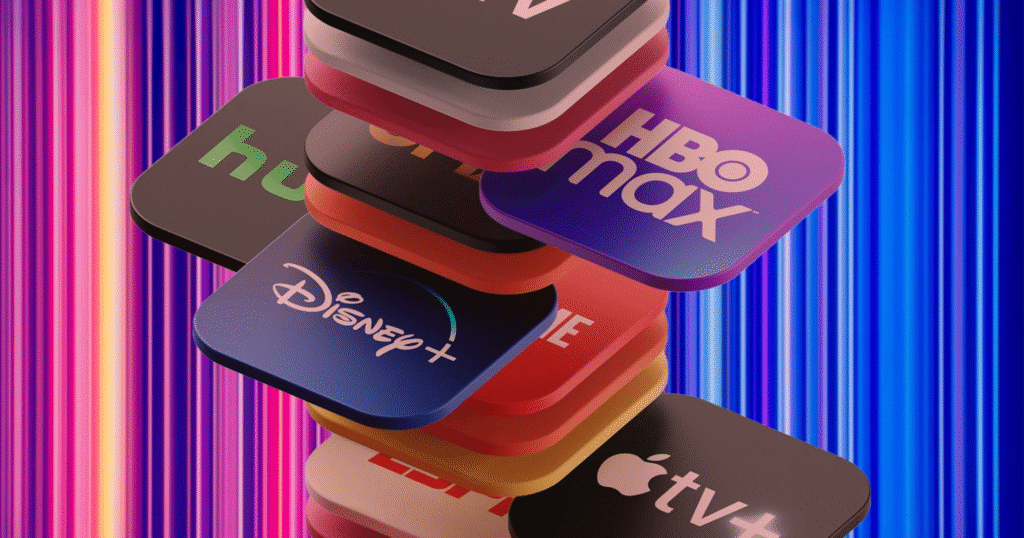
Streaming services have completely changed how people consume movies, television shows, and music. Instead of purchasing individual products, users now subscribe to services that provide unlimited access to massive content libraries.
One of the biggest advantages of streaming is convenience. Users can watch content whenever they want without depending on schedules. This flexibility has changed audience behavior because people prefer consuming content according to their personal routines.
Streaming platforms also use recommendation systems to personalize experiences. Based on viewing history and preferences, users receive suggestions that make discovering new content easier.
Another major benefit is accessibility. Viewers can explore international films, documentaries, and television programs that were previously difficult to access. This has created a more global entertainment environment where cultural barriers continue shrinking.
Social Media as a Source of Entertainment
Social media has become one of the largest entertainment industries in the digital world. What originally started as communication platforms has transformed into complete entertainment ecosystems.
People spend hours consuming short videos, live streams, stories, memes, and interactive content. Unlike traditional entertainment, social media creates direct interaction between creators and audiences.
One reason social media entertainment has grown rapidly is because content is fast and highly accessible. Users can consume entertainment in small pieces throughout the day without making large time commitments.
Social media also allows anyone to become a creator. Individuals no longer need large production teams or media companies to build audiences. This shift has created millions of independent creators producing entertainment for niche communities worldwide.
Online Gaming Has Become a Major Entertainment Industry
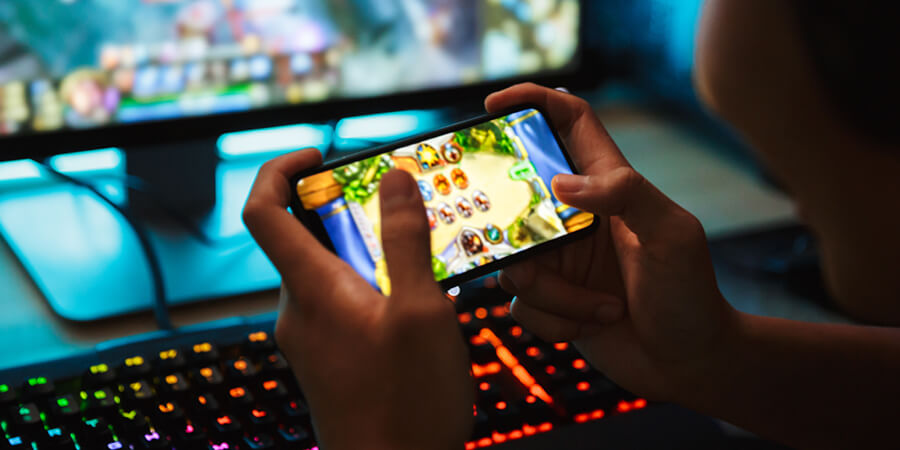
Gaming has evolved from a small hobby into one of the largest entertainment sectors globally. Modern gaming is no longer limited to single-player experiences or physical gaming consoles.
Today’s gaming industry includes mobile gaming, online multiplayer experiences, esports competitions, virtual reality environments, and cloud gaming services.
Gaming stands apart from traditional entertainment because it encourages active participation. Players influence outcomes, compete against others, and build communities within digital spaces.
Multiplayer games have transformed gaming into a social experience. Friends from different countries can communicate, collaborate, and compete together instantly.
The popularity of gaming continues growing because it combines entertainment, competition, creativity, and social interaction within one experience.
Music Consumption in the Digital Era
Music has experienced one of the biggest transformations in the digital age. Physical CDs and downloaded files have largely been replaced by streaming services and digital libraries.
Consumers now create personalized playlists, discover artists through algorithms, and listen to music across multiple devices seamlessly.
The digital music industry has created opportunities for independent musicians who previously struggled to reach audiences. Artists can now distribute music directly without relying entirely on traditional record companies.
Music recommendations powered by algorithms have also changed listening habits. People often discover songs based on personal preferences rather than radio stations or physical stores.
This accessibility has made music consumption faster, easier, and more personalized.
Podcasts and Audio Entertainment Are Growing Rapidly
Podcasts have become one of the fastest-growing forms of digital entertainment. Their popularity comes from flexibility and convenience.
Unlike video content, podcasts can be consumed while doing other activities such as:
Driving to work
Exercising
Cooking meals
Cleaning the house
Working remotely
Podcast topics now cover nearly everything including business, education, comedy, storytelling, entertainment, health, and technology.
Audio entertainment works particularly well because it fits naturally into everyday routines. Many consumers prefer podcasts because they provide entertainment without requiring complete visual attention.
The continued growth of audio content suggests that entertainment is becoming increasingly flexible and mobile.
The Creator Economy and Digital Influencers
Traditional entertainment industries once controlled most content production. Today, digital creators have become major entertainment providers.
Content creators produce videos, podcasts, tutorials, reviews, livestreams, and educational content while building loyal audiences.
The creator economy allows individuals to monetize creativity through multiple channels including subscriptions, advertising, sponsorships, and memberships.
Audiences often prefer creators because they feel more relatable and authentic compared to traditional celebrities.
This shift has changed entertainment from a one-directional experience into a community-driven environment where creators interact directly with followers.
The growth of creator culture continues reshaping modern entertainment industries.
Artificial Intelligence Is Changing Entertainment
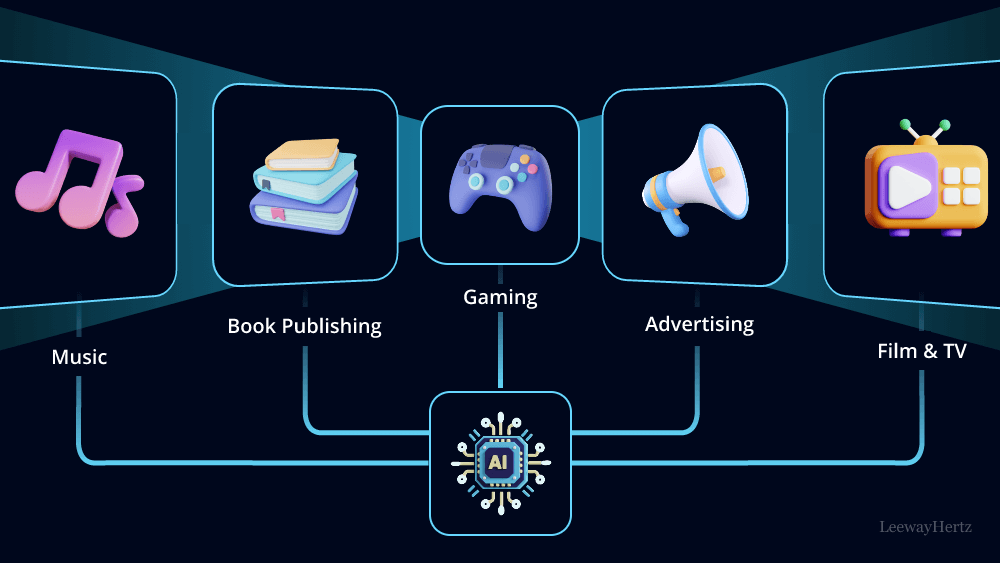
Artificial intelligence is increasingly influencing entertainment experiences.
AI currently helps platforms recommend personalized content based on viewing habits and preferences. Streaming services use algorithms to predict what users may enjoy next.
Content creation itself is also changing. AI tools now assist with editing, music production, script writing, image generation, and special effects.
Interactive entertainment is expanding through AI-powered virtual characters and personalized experiences.
Although some concerns exist regarding originality and automation, AI continues creating opportunities for faster production and more customized entertainment experiences.
The relationship between entertainment and artificial intelligence will likely continue growing in the coming years.
Virtual Reality and Immersive Experiences
Virtual reality and immersive technologies represent another major shift in digital entertainment.
Virtual reality creates digital environments where users experience entertainment in fully interactive spaces.
Augmented reality combines digital objects with physical environments, creating new experiences for games, shopping, and interactive storytelling.
Immersive technologies are already influencing:
Gaming experiences
Virtual concerts
Education platforms
Digital tourism
Interactive storytelling
As hardware becomes more affordable, immersive entertainment may become more common in everyday life.
The Challenges of Unlimited Entertainment

While digital entertainment provides enormous benefits, unlimited access also creates challenges.
Many people struggle with information overload because endless content makes decision-making difficult.
Excessive screen time may contribute to reduced productivity and digital fatigue.
Subscription services can become expensive when consumers subscribe to multiple platforms simultaneously.
Privacy concerns have also increased because many entertainment platforms collect data to improve personalization.
These challenges highlight the importance of consuming entertainment intentionally rather than endlessly.
Building Healthy Entertainment Habits
Digital entertainment should improve life rather than create distractions.
Creating boundaries around entertainment consumption helps maintain balance.
Choosing quality content instead of endless scrolling often leads to better experiences.
Scheduling offline activities alongside digital entertainment creates healthier routines.
Exploring different entertainment formats rather than relying on one platform can also improve overall satisfaction.
The goal is not reducing entertainment completely but creating habits that support productivity and personal wellbeing.
Conclusion
Entertainment in the digital age is more accessible, interactive, and personalized than ever before. Technology has transformed how people watch movies, play games, listen to music, connect with creators, and discover new experiences.
Streaming services, gaming, social media, podcasts, artificial intelligence, and immersive technologies continue changing entertainment at a rapid pace.
While digital entertainment creates incredible opportunities, balancing convenience with mindful consumption remains important.
As technology continues evolving, entertainment will likely become even more immersive, interactive, and personalized, creating entirely new ways for people to connect, learn, and enjoy experiences.
FAQ’s
1. What is digital entertainment?
Digital entertainment includes movies, music, gaming, streaming, podcasts, and online content.
2. Why is streaming popular today?
Because it offers instant access, convenience, and personalized content.
3. How has social media changed entertainment?
It allows users to create, share, and consume content instantly.
4. What role does AI play in entertainment?
AI helps with recommendations, content creation, and personalization.
5. What is the future of digital entertainment?
More immersive, interactive, and personalized experiences.
Best Gadgets 2026: Trending Tech for Work, Home & Everyday Life
I can go online just to check the price of a phone, and somehow end…
Holiday Destinations 2026: Best Places for an Unforgettable Trip
Sometimes I start looking at travel places when I have absolutely no plan to travel….

Wellness Guide 2026: Easy Self-Care & Healthy Lifestyle Tips
I wake up after getting enough sleep, drink some water, open the curtains and start…

Fashion & Beauty Ideas 2026: Trending Outfits, Makeup & Skincare
I open Instagram to check one thing, and a few minutes later I am watching…

Latest Tech Deals: Best Offers on Gadgets & Electronics
I have a habit of checking tech deals even when I am not planning to…

Best Grocery Deals: Affordable Offers You Shouldn’t Miss
Grocery shopping sounds simple until you actually start doing it regularly. At first, you may…
