
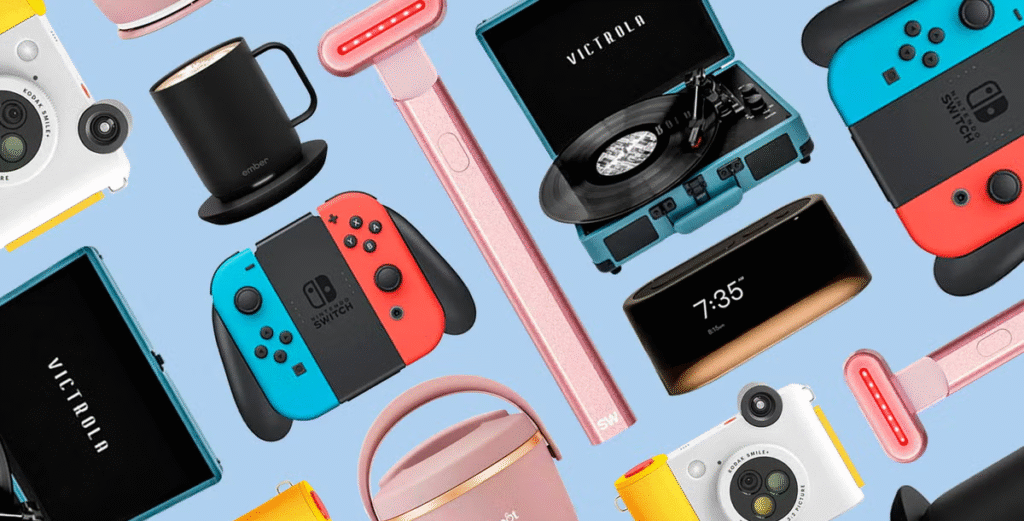
Technology continues to shape how people work, communicate, travel, learn, and manage everyday life. What once seemed futuristic has quickly become part of normal routines, and 2026 is continuing this transformation with smarter devices, connected experiences, and technology designed to make daily living easier.
The modern consumer no longer looks only for powerful devices. People now want technology that saves time, improves productivity, reduces effort, and fits naturally into daily habits. As a result, tech companies are focusing heavily on creating solutions that are more intelligent, more connected, and more personalized.
Understanding technology trends is important because these innovations influence purchasing decisions, workplace habits, entertainment choices, and even personal lifestyles. Knowing which trends matter can help consumers make smarter decisions while avoiding unnecessary spending.
Smarter Artificial Intelligence in Everyday Devices
Artificial intelligence is no longer limited to advanced software or large businesses. In 2026, AI has become part of everyday technology.
Smartphones, laptops, home devices, and productivity tools increasingly rely on AI to improve user experiences. Devices now learn preferences, automate repetitive tasks, improve search experiences, and provide personalized recommendations with greater accuracy.
Consumers are also becoming more comfortable interacting with AI-powered assistants for scheduling, content creation, shopping recommendations, and productivity management.
The biggest shift is that AI is becoming less visible. Instead of being a separate feature, it is increasingly integrated into everyday experiences, making technology feel simpler rather than more complicated.
Smart Homes Continue Becoming More Connected
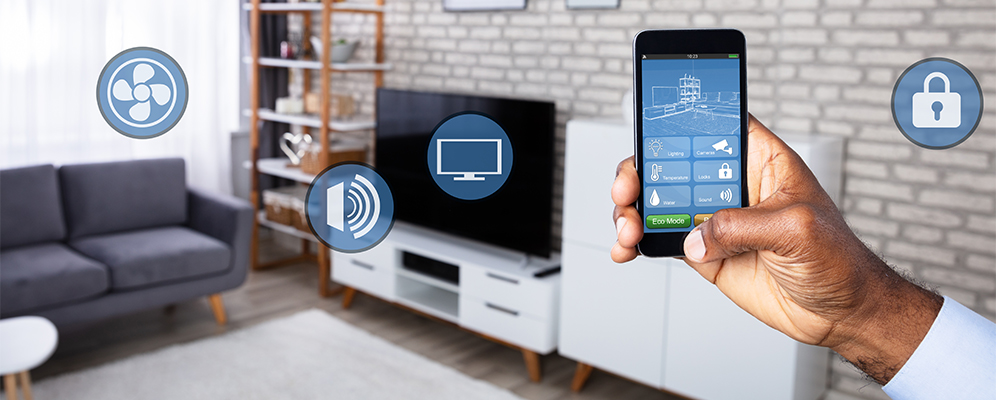
Smart homes continue evolving beyond simple voice assistants and connected lighting systems.
Modern homes increasingly include integrated systems that manage energy usage, security, entertainment, climate control, and household automation.
Consumers are moving toward centralized systems that allow multiple devices to work together rather than relying on disconnected products.
Convenience remains one of the biggest reasons for adoption. Automated routines, remote access, and intelligent energy management allow homeowners to simplify everyday tasks.
As devices become more compatible with each other, smart homes are becoming easier to manage and more useful for everyday living.
Wearable Technology Expands Beyond Fitness
Wearable technology has moved far beyond counting steps and tracking workouts.
Modern wearable devices increasingly focus on productivity, communication, health monitoring, and convenience.
Consumers now expect wearables to provide notifications, support digital payments, monitor performance metrics, and integrate with other devices seamlessly.
Many people are adopting wearable devices because they reduce dependence on smartphones for simple tasks.
As wearable technology becomes more advanced and comfortable, adoption continues increasing among both professionals and everyday users.
Productivity Gadgets Are Becoming More Important
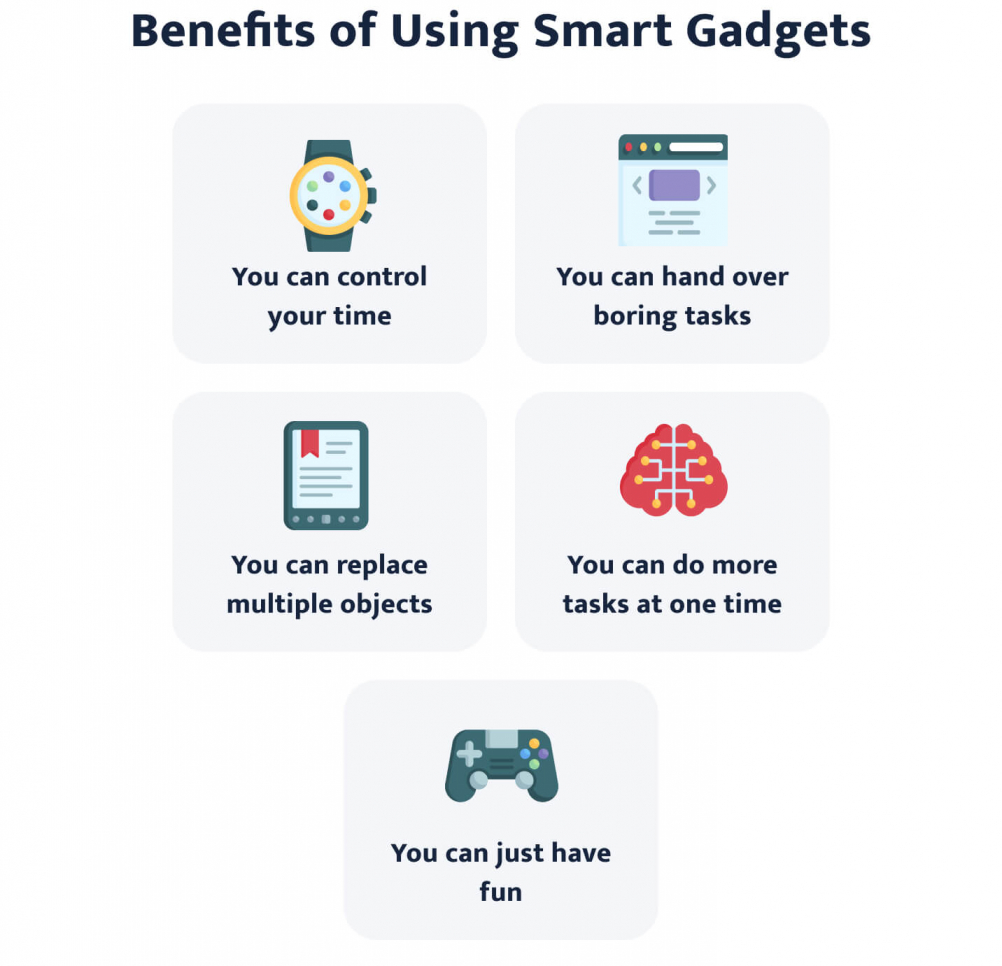
Remote work, hybrid work environments, and flexible schedules continue influencing technology purchases.
Consumers increasingly invest in gadgets designed to improve focus, efficiency, and workspace organization.
Portable devices, ergonomic accessories, wireless setups, and productivity-focused equipment are becoming more popular because people want technology that supports efficient workflows.
Rather than purchasing devices purely for entertainment, consumers increasingly evaluate how technology improves productivity and daily performance.
This shift is influencing how manufacturers design and market new products.
Sustainable Technology Is Becoming a Priority
Consumers are paying greater attention to environmental impact when purchasing technology.
Manufacturers are responding by focusing more heavily on sustainable production, energy efficiency, repairability, and recycling programs.
People increasingly consider product lifespan when making buying decisions because replacing devices frequently creates higher costs and environmental impact.
Longer software support, modular designs, and repair-friendly products are becoming more valuable.
Sustainability is shifting from a niche concern into a mainstream buying factor.
Wireless Technology Continues Expanding
Wireless experiences continue replacing cables and traditional connections.
Consumers increasingly expect seamless connectivity between devices, accessories, and digital services.
Wireless charging, wireless accessories, cloud-based storage, and connected ecosystems are creating more flexible technology experiences.
The convenience of wireless technology allows users to move between devices and environments more easily.
As wireless standards continue improving, users experience faster connections, lower latency, and better overall performance.
Personalization Is Becoming More Advanced
Consumers increasingly expect technology to adapt to personal preferences.
Devices now customize interfaces, recommend content, automate routines, and adjust settings based on usage behavior.
Personalization creates better experiences because users spend less time configuring devices manually.
Companies are investing heavily in personalized technology because it improves customer satisfaction and encourages long-term usage.
The future of technology is becoming increasingly user-focused rather than device-focused.
Smaller and More Portable Devices Gain Popularity
Consumers want powerful technology without sacrificing convenience.
Portable devices continue becoming smaller, lighter, and easier to carry while maintaining strong performance.
Compact designs are becoming important because users increasingly move between workplaces, homes, travel environments, and public spaces.
Manufacturers are focusing on balancing portability with functionality.
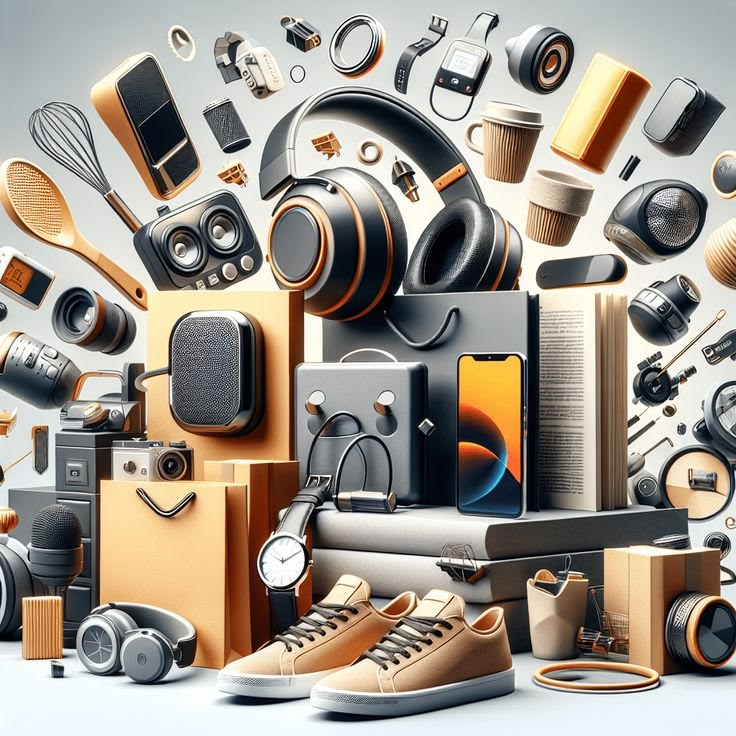
This trend is influencing laptops, accessories, audio devices, chargers, and other everyday technology products.
Security and Privacy Are Becoming Larger Concerns
As consumers rely more heavily on connected devices, concerns around security and privacy continue increasing.
People want stronger protection for personal information, financial data, and digital activities.
Technology companies are responding by improving security features, increasing transparency, and simplifying privacy controls.
Consumers are also becoming more aware of how data is collected and used.
Security is increasingly becoming a major factor when comparing products and services.
Smarter Buying Decisions Are Influencing the Market
Consumers are becoming more informed buyers.
Rather than purchasing every new product release, many shoppers now research products more carefully and focus on practical value.
Price comparisons, long-term usability, product support, and compatibility increasingly influence decisions.
This shift encourages manufacturers to focus more heavily on meaningful innovation rather than simply increasing specifications.
Smarter buyers are changing how technology companies compete.
The Role of Ecosystems in Technology Choices
Consumers increasingly prefer devices that work together smoothly.
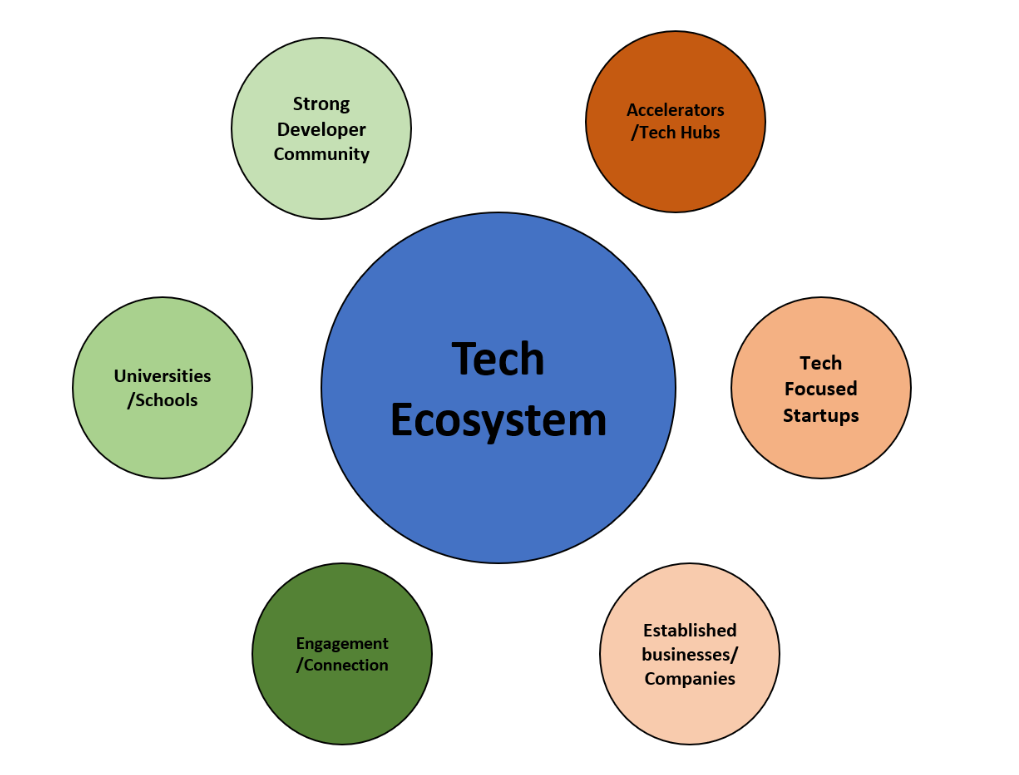
Technology ecosystems create convenience by connecting phones, computers, wearables, entertainment systems, and accessories.
Compatibility has become an important factor because disconnected experiences create frustration.
People often consider future purchases when choosing devices because ecosystem compatibility affects long-term value.
As ecosystems become stronger, users increasingly prioritize convenience and integration.
Looking Ahead to the Future of Smarter Living
Technology trends suggest that devices will continue becoming more integrated into everyday life.
Consumers will likely see greater automation, stronger personalization, improved efficiency, and more connected experiences.
The focus is shifting away from owning more technology and toward using technology more effectively.
Smart living does not necessarily mean filling homes with gadgets. Instead, it means using technology strategically to improve convenience, productivity, and quality of life.
Understanding these trends allows consumers to make better purchasing decisions while preparing for future changes.
FAQ’S
10 Smart Money & Online Earning Ideas That Actually Work
Money has always been more than numbers in a bank account. It represents freedom, security,…
The Ultimate Entertainment Guide for Movies, Music, and Streaming
Entertainment has always been more than a way to pass the time. It is a…
The Ultimate Fashion & Beauty Guide for a Stylish Everyday Look
Fashion & Beauty are much more than following seasonal trends or buying expensive products. They…

The Truth About Money & Online Earning: What Really Works in 2026
The internet has completely transformed the way people earn money. A few years ago, building…

Most Popular Trending News Across Social Media Today
Here is your paragraph with the focus keyword “Popular Trending News” naturally added for SEO:…

Easy Money & Online Earning Opportunities for Students
There was a time, not so long ago, when being a student meant living by…