

Growing a business has never been simple, but modern businesses have access to more tools, data, and opportunities than ever before. The challenge is not simply finding ways to attract customers; it is learning how marketing, sales, and customer relationships work together to create sustainable growth.
Many companies focus heavily on acquiring new customers while overlooking the systems needed to maintain long-term relationships. Others invest in sales processes without creating strong customer experiences. True business growth happens when every stage of the customer journey works together toward the same goal.
Businesses that consistently grow understand that success does not depend on one department working harder than another. Growth comes from building connected systems that attract potential customers, convert them into buyers, and keep them engaged long after the first purchase.
This article explores practical marketing, sales, and customer success strategies that make business growth easier, more organized, and more sustainable.
Understanding Modern Business Growth
Traditional business growth often focused on increasing sales numbers without fully understanding customer behavior. Today, businesses operate in a more competitive environment where customers have more choices and higher expectations.
Modern growth requires businesses to understand how customers discover products, compare options, make purchasing decisions, and interact after becoming customers. Businesses that create smoother experiences across these stages often outperform competitors.
Growth should not only be measured by revenue. Customer retention, satisfaction, loyalty, and long-term value also play important roles. Companies that focus only on short-term gains frequently struggle to maintain momentum.
Building a growth strategy means creating systems that support consistent improvement rather than relying on occasional success.
Creating Marketing Strategies That Attract the Right Audience

Marketing plays a major role in business growth because it creates awareness and generates opportunities. However, successful marketing is not about reaching everyone. It is about reaching the right people.
Many businesses waste resources trying to appeal to large audiences without understanding who their ideal customers actually are. Defining target audiences helps businesses create messaging that feels relevant and valuable.
Content marketing has become increasingly important because customers often research products and services before making decisions. Helpful articles, educational content, videos, and resources build trust and improve visibility.
Consistency matters more than occasional campaigns. Businesses that continuously create valuable content often build stronger relationships with potential customers over time.
Understanding customer problems also improves marketing effectiveness. People rarely buy products simply because features exist. They buy solutions to problems they want solved.
Using Data to Improve Marketing Performance
Marketing decisions become stronger when supported by data. Businesses now have access to valuable information about customer behavior, website traffic, campaign performance, and conversion patterns.
Tracking data allows businesses to understand what works and what requires improvement. Instead of guessing which strategies produce results, teams can make informed decisions.
However, collecting data alone does not create growth. The value comes from interpreting information and making practical adjustments.
For example, understanding which content attracts the most visitors or which campaigns generate the highest conversions helps businesses allocate resources more effectively.
Small improvements based on data often create larger long-term gains.
Building Sales Processes That Feel Natural
Sales strategies have changed significantly over time. Customers no longer respond well to overly aggressive sales tactics or pressure-driven approaches.
Modern sales processes focus more on understanding customer needs and guiding people toward solutions.
Strong sales systems create consistency. Businesses that rely entirely on individual talent often struggle to scale. Documented processes make sales more predictable and easier to improve.
The sales process should also align closely with marketing efforts. When sales teams understand how customers discovered the business and what information they already consumed, conversations become more personalized.
Listening often becomes more valuable than speaking during sales interactions. Understanding customer concerns creates opportunities to provide better solutions.
Aligning Marketing and Sales Teams
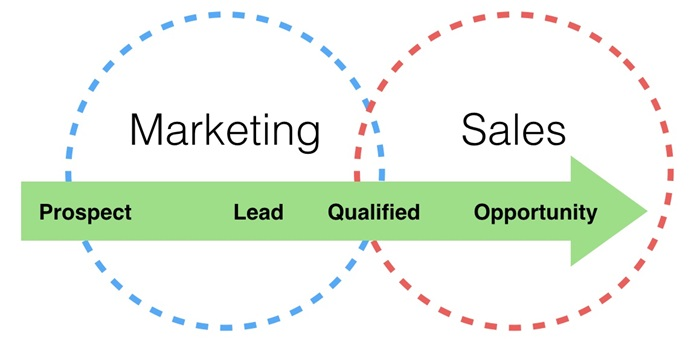
One common challenge within businesses is poor communication between marketing and sales departments. When these teams operate independently, customer experiences become inconsistent.
Marketing teams may generate leads that sales teams consider unqualified. Sales teams may fail to provide feedback that could improve campaigns.
Businesses that align these functions create smoother customer journeys.
Shared goals, regular communication, and common performance measurements improve collaboration. When both teams understand customer needs and business objectives, results often improve significantly.
Customers rarely care about internal department structures. They simply expect consistent experiences.
Creating alignment reduces friction and supports stronger growth.
Why Customer Success Drives Long-Term Growth
Acquiring customers is expensive. Retaining customers often produces greater long-term value.
Customer success focuses on helping customers achieve desired outcomes after purchasing products or services. Businesses that prioritize customer success frequently improve retention, referrals, and customer lifetime value.
Many companies mistakenly assume customer relationships end after purchases. In reality, post-purchase experiences strongly influence future buying decisions.
Providing support, educational resources, onboarding assistance, and proactive communication improves customer experiences.
Satisfied customers often become advocates who generate additional business through referrals and recommendations.
Growth becomes easier when existing customers continue creating value.
Creating Better Customer Experiences
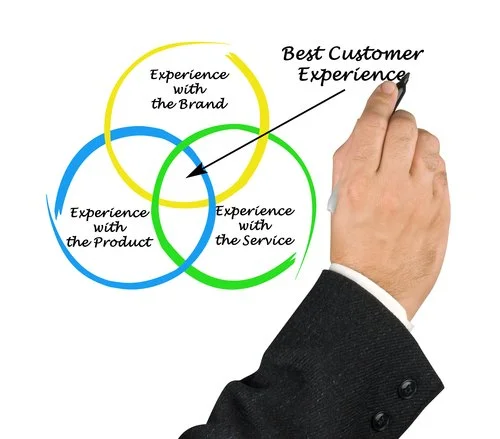
Customer experience has become a major competitive advantage. Products and pricing alone rarely guarantee long-term loyalty.
Every interaction contributes to customer perceptions. Website experiences, communication speed, support quality, purchasing processes, and follow-up interactions all matter.
Businesses should regularly examine customer journeys from the customer perspective.
Where do customers experience confusion?
Where do delays occur?
Which processes create frustration?
Improving customer experiences often produces measurable business results.
Simple changes can sometimes create significant improvements in satisfaction and retention.
Using Automation Without Losing Human Connection
Technology has transformed business operations by making many tasks faster and more efficient. Automation can improve marketing campaigns, sales processes, customer support, and communication.
However, automation becomes ineffective when it removes human connection entirely.
Customers appreciate speed and convenience, but they also value personalized experiences.
Businesses should use automation to remove repetitive work while preserving meaningful interactions.
Automated systems should support relationships rather than replace them.
The best business systems combine efficiency with authenticity.
Measuring Growth Beyond Revenue
Revenue remains important, but relying exclusively on revenue metrics creates incomplete pictures of business performance.
Growth measurements should include customer acquisition costs, retention rates, customer satisfaction, conversion rates, and engagement metrics.
Understanding these measurements helps businesses identify strengths and weaknesses earlier.
For example, rising revenue combined with declining customer retention may indicate future problems.
Regular measurement creates opportunities for faster adjustments.
Growth becomes easier when businesses understand what drives performance.
Building Scalable Systems for Future Growth
Many businesses experience growth challenges because systems designed for small operations struggle under increased demand.
Scalable systems allow businesses to grow without creating unnecessary complexity.
Documentation, standardized processes, organized communication systems, and technology integration improve scalability.
Businesses should regularly evaluate whether existing systems support future goals.
Growth often creates operational challenges, but preparation reduces disruptions.
Creating repeatable processes makes expansion more manageable.
Adapting to Changing Customer Expectations
Customer expectations constantly evolve due to technology, competition, and market trends.
Businesses that resist change often struggle to remain competitive.
Adaptability does not mean constantly abandoning strategies. Instead, it means remaining aware of customer behavior and adjusting when necessary.
Listening to customer feedback provides valuable information about changing expectations.
Businesses that continuously improve often create stronger long-term positions.
Growth requires both consistency and flexibility.
FAQ’s

Best Gadgets 2026: Trending Tech for Work, Home & Everyday Life
I can go online just to check the price of a phone, and somehow end…

Holiday Destinations 2026: Best Places for an Unforgettable Trip
Sometimes I start looking at travel places when I have absolutely no plan to travel….

Wellness Guide 2026: Easy Self-Care & Healthy Lifestyle Tips
I wake up after getting enough sleep, drink some water, open the curtains and start…

Fashion & Beauty Ideas 2026: Trending Outfits, Makeup & Skincare
I open Instagram to check one thing, and a few minutes later I am watching…

Latest Tech Deals: Best Offers on Gadgets & Electronics
I have a habit of checking tech deals even when I am not planning to…

Best Grocery Deals: Affordable Offers You Shouldn’t Miss
Grocery shopping sounds simple until you actually start doing it regularly. At first, you may…