

Entertainment has always played an important role in human life. From ancient storytelling traditions to modern streaming platforms, people have continuously searched for new ways to relax, learn, connect, and escape everyday routines. Over time, entertainment has transformed from simple local experiences into a global digital ecosystem that connects millions of people instantly.
Today, entertainment is no longer limited to television channels, movie theaters, or radio stations. The rise of digital platforms has completely changed how people consume content. Movies can be streamed instantly, music can be accessed anywhere, games can connect players worldwide, and social media allows audiences to interact directly with creators. The relationship between entertainment, media, and digital experiences has become stronger than ever.
Understanding how these industries work together provides valuable insight into how modern audiences consume content and why digital experiences continue to shape everyday life.
Understanding Entertainment in the Modern World
Entertainment refers to activities, content, or experiences designed to engage, inform, or provide enjoyment. While entertainment once relied heavily on physical spaces and scheduled programming, modern technology has created more flexibility and accessibility.
Today’s entertainment industry includes movies, television shows, podcasts, music streaming, video games, live events, digital creators, online communities, and much more. Audiences no longer wait for content to appear at specific times because digital platforms allow content to be consumed whenever users choose.
This shift toward on-demand entertainment has created a more personalized experience. People now expect entertainment that matches their interests, habits, and lifestyles.
The Evolution of Media
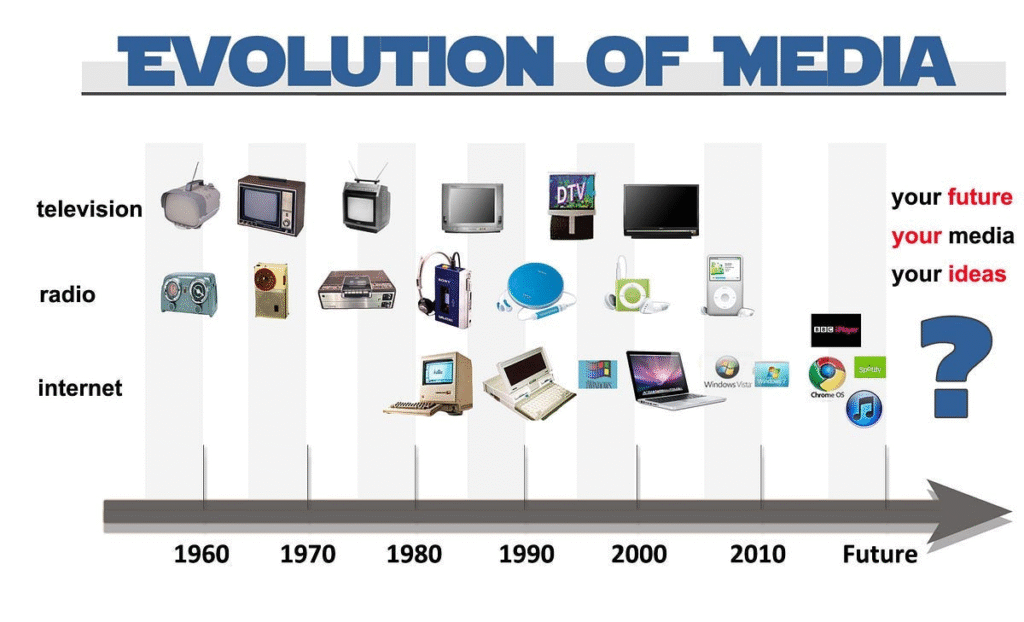
Media acts as the channel through which entertainment reaches audiences. Traditional media consisted mainly of newspapers, television broadcasts, radio networks, and print publications. These formats dominated communication for decades because audiences had limited alternatives.
Digital transformation changed this completely.
Today, media includes websites, streaming services, social platforms, mobile applications, online communities, newsletters, podcasts, and video-sharing platforms. Content moves faster than ever before, and audiences have more control over what they consume.
The biggest difference between traditional and modern media is interaction. Previously, audiences mainly consumed content passively. Modern media encourages participation through comments, shares, reactions, subscriptions, and direct communication.
This interactive environment has created stronger connections between creators and audiences.
Streaming Services and On-Demand Entertainment
One of the biggest changes in digital entertainment has been the rise of streaming platforms. Consumers increasingly prefer watching content when convenient rather than following fixed schedules.
Streaming changed several aspects of entertainment:
First, accessibility improved significantly. People can watch movies, series, documentaries, or sports from smartphones, tablets, laptops, and televisions.
Second, global content became easier to discover. Audiences can explore productions from different countries without geographic limitations.
Third, personalization transformed viewing habits. Recommendation algorithms suggest content based on previous preferences, making discovery faster.
As internet speeds improved worldwide, streaming became the preferred method of content consumption for millions of users.
The Growing Influence of Social Media
Social platforms allow users to:
Create videos
Share opinions
Build communities
Interact with creators
Discover trends instantly
The speed at which trends spread demonstrates how powerful digital entertainment ecosystems have become.
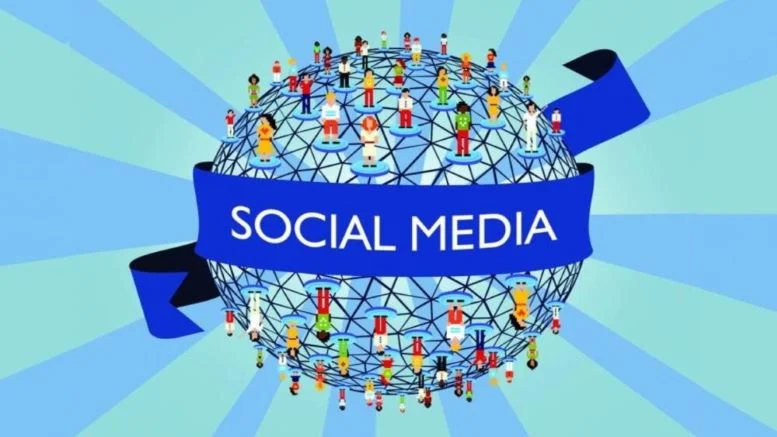
Social media has blurred the line between entertainment creators and consumers. Previously, celebrities, production companies, and broadcasters controlled content creation. Today, nearly anyone can become a creator.
Short-form videos, livestreams, creator communities, and interactive content have transformed audience behavior.
People no longer simply consume entertainment. They participate in it.
Social media also changed marketing strategies because entertainment companies increasingly rely on digital communities to generate excitement around content releases.
Gaming as a Major Entertainment Industry
Gaming has evolved from a niche hobby into one of the largest entertainment sectors worldwide.
Modern gaming provides more than simple recreation. It creates social spaces, competitive environments, storytelling experiences, and virtual communities.
Several factors contributed to gaming growth:
Improved graphics and technology
Faster internet connectivity
Mobile accessibility
Online multiplayer experiences
Esports and streaming culture
Many users now spend significant time in virtual worlds where gaming becomes both entertainment and social interaction.
Digital experiences within gaming continue expanding through virtual economies, live events, and interactive storytelling.
Music in the Digital Era
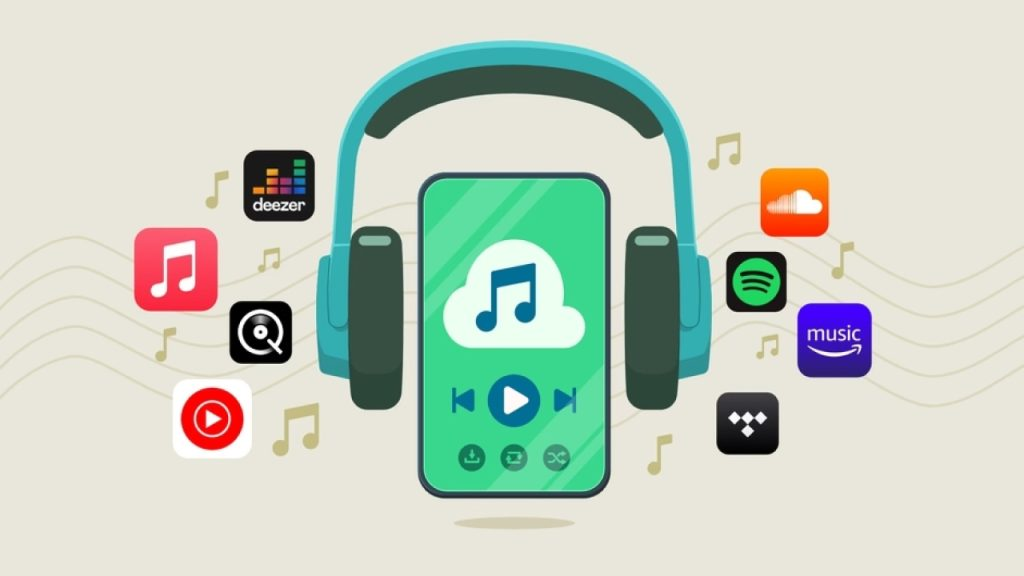
The music industry experienced major transformation during the digital revolution.
Physical sales gradually shifted toward streaming subscriptions and digital listening platforms. Instead of purchasing individual albums, audiences gained access to massive libraries instantly.
This transformation changed listening behavior.
People now create playlists rather than purchasing complete albums.
Algorithms influence music discovery.
Artists communicate directly with fans.
Independent creators can distribute music without traditional gatekeepers.
Digital technology made music more accessible while creating new opportunities for artists and listeners.
The Rise of Content Creators
One of the biggest changes in entertainment is the growing influence of individual creators.
Previously, large studios, broadcasters, and publishers controlled audience attention. Digital platforms reduced barriers to entry.
Today, creators build audiences through:
Video platforms
Podcasts
Blogs
Livestreaming
Educational content
Community platforms
This creator economy generates new careers and business models.
Audiences often prefer authentic personalities over highly polished traditional media because creators provide direct communication and relatable experiences.
The creator economy continues expanding because audiences value connection as much as content itself.
Digital Experiences Beyond Entertainment
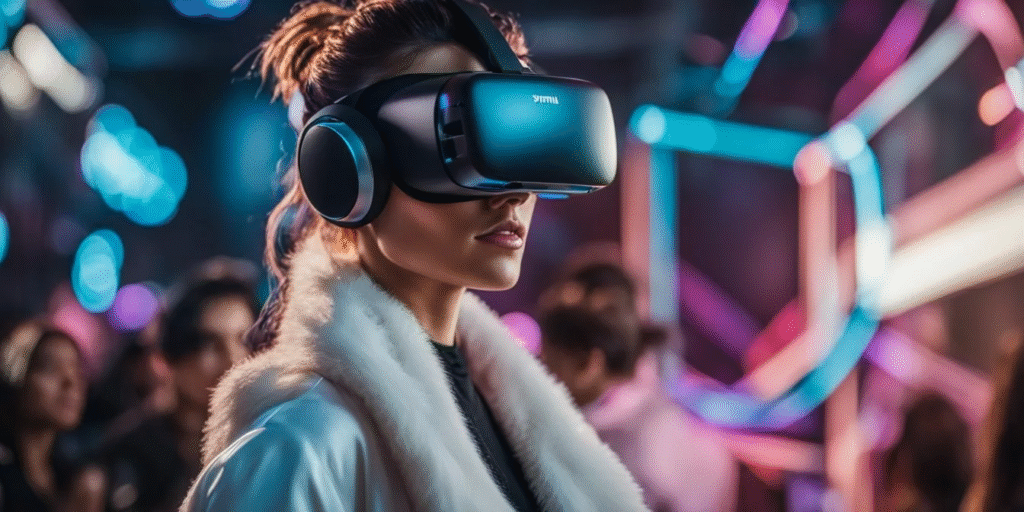
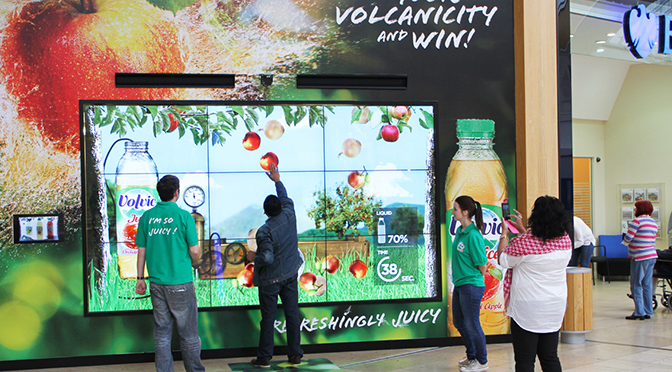
Digital experiences extend beyond movies, music, and social content.
Modern businesses increasingly create immersive digital environments for customers.
Examples include:
Virtual events
Interactive learning platforms
Online communities
Augmented reality experiences
Personalized applications
Immersive shopping experiences
Consumers now expect seamless digital interactions regardless of industry.
Companies that create better user experiences often build stronger relationships with customers.
As technology improves, digital experiences become increasingly integrated into everyday life.
Mobile Devices and Entertainment Consumption
Smartphones changed entertainment more than perhaps any other technology.
Mobile devices allow people to consume content anywhere.
Users can:
Watch videos during travel
Listen to podcasts while exercising
Play games during breaks
Read articles instantly
Connect with communities continuously
Because of mobile accessibility, entertainment shifted from scheduled sessions to constant availability.
Content creators increasingly design experiences specifically for mobile audiences because user behavior continues moving toward smaller screens.
The Role of Artificial Intelligence in Entertainment
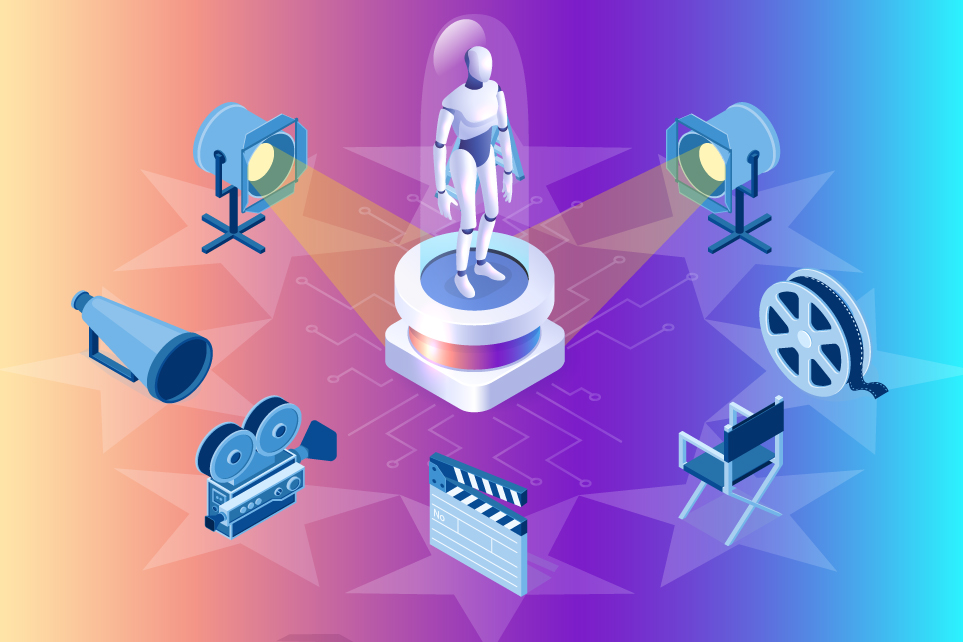
Artificial intelligence increasingly influences digital entertainment experiences.
AI systems now assist with:
Content recommendations
Personalized advertising
Music suggestions
Video recommendations
Automated editing
Customer experiences
Personalization improves convenience because audiences spend less time searching and more time consuming relevant content.
However, increased personalization also raises questions about privacy, algorithm influence, and content diversity.
The relationship between AI and entertainment will likely continue evolving as technology improves.
Challenges Facing Modern Entertainment
Despite rapid growth, entertainment industries face several challenges.
Content saturation makes visibility difficult.
Audiences face subscription fatigue.
Competition for attention continues increasing.
Privacy concerns affect digital experiences.
Creators face pressure to produce content constantly.
As more entertainment options appear, businesses and creators must find new ways to capture audience attention.
Quality, authenticity, and user experience increasingly determine long-term success.
The Future of Entertainment and Media
The future of entertainment will likely become even more interactive.
Emerging technologies may create:
More immersive experiences
Virtual environments
Personalized storytelling
Expanded creator economies
Enhanced social interactions
Stronger integration between physical and digital spaces
Audiences increasingly want experiences rather than passive consumption.
This demand continues shaping how companies develop products and content.
Digital transformation suggests entertainment will become more connected, flexible, and personalized over time.
Conclusion
Entertainment, media, and digital experiences are now deeply connected. The way people watch movies, listen to music, communicate, learn, and interact has changed dramatically because of technological progress.
Modern audiences expect flexibility, personalization, accessibility, and interaction. Companies, creators, and platforms continue adapting to these changing expectations.
Understanding this evolving landscape helps explain why entertainment continues expanding beyond traditional boundaries.
As technology advances further, entertainment will remain one of the most influential forces shaping culture, communication, and everyday experiences across the world.
FAQ’s
1. What is digital entertainment?
Digital entertainment includes online content like videos, music, games, streaming, and social media experiences.
2. How has media changed over time?
Media evolved from traditional formats like TV and newspapers to digital platforms and streaming services.
3. Why are digital experiences important today?
They provide convenience, personalization, and easier access to content anytime and anywhere.
4. How does social media impact entertainment?
Social media helps creators connect with audiences and allows users to discover and share content quickly.
5. What is the future of entertainment and media?
The future focuses on personalized, interactive, and technology-driven experiences.
Best Gadgets 2026: Trending Tech for Work, Home & Everyday Life
I can go online just to check the price of a phone, and somehow end…
Holiday Destinations 2026: Best Places for an Unforgettable Trip
Sometimes I start looking at travel places when I have absolutely no plan to travel….

Wellness Guide 2026: Easy Self-Care & Healthy Lifestyle Tips
I wake up after getting enough sleep, drink some water, open the curtains and start…

Fashion & Beauty Ideas 2026: Trending Outfits, Makeup & Skincare
I open Instagram to check one thing, and a few minutes later I am watching…

Latest Tech Deals: Best Offers on Gadgets & Electronics
I have a habit of checking tech deals even when I am not planning to…

Best Grocery Deals: Affordable Offers You Shouldn’t Miss
Grocery shopping sounds simple until you actually start doing it regularly. At first, you may…
