
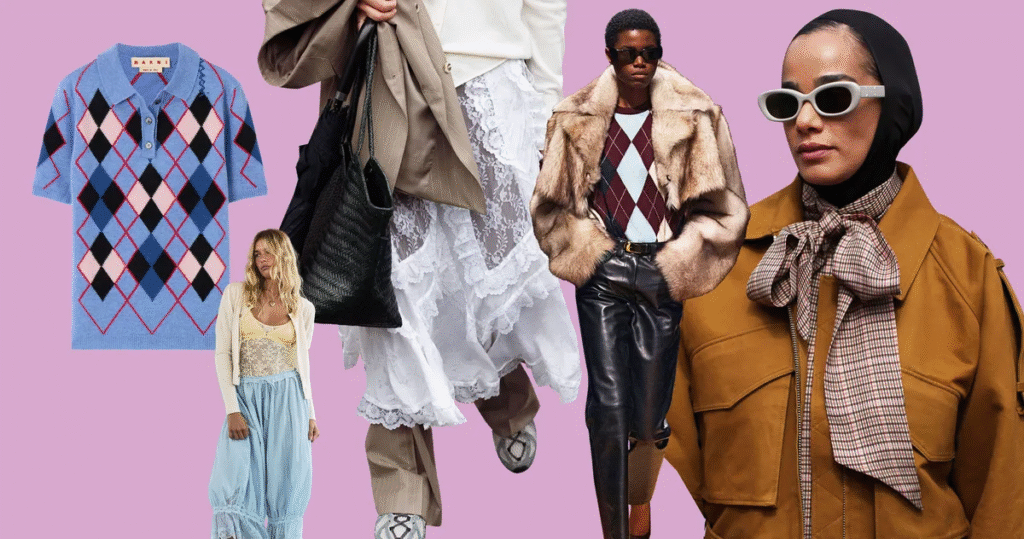
Fashion is often described as a form of self-expression, but for many people, it can also feel complicated. Trends change constantly, new styles appear every season, and social media creates endless inspiration that sometimes makes getting dressed feel more confusing instead of easier. The truth is that fashion does not need to be complicated. Building personal style is less about following every trend and more about understanding what works for you.
A strong sense of fashion comes from combining clothing, accessories, colors, textures, and confidence into something that feels natural. Whether someone prefers simple everyday outfits or enjoys experimenting with trends, understanding the foundations of styling can make fashion easier and more enjoyable.
Understanding Personal Style Before Following Trends
One of the biggest mistakes people make is trying to copy every trend they see. Fashion trends can be exciting, but they do not automatically work for everyone. Personal style should always come first.
Developing personal style begins with understanding preferences. Some people prefer minimal clothing with neutral colors while others enjoy bold prints, bright colors, and statement pieces. Neither approach is better than the other because style is highly personal.
When people understand their own preferences, shopping becomes easier. Instead of buying random pieces that remain unused, they begin choosing items that naturally fit into their wardrobe.
Fashion becomes more enjoyable when clothing reflects personality rather than simply copying trends.
Building a Wardrobe That Actually Works
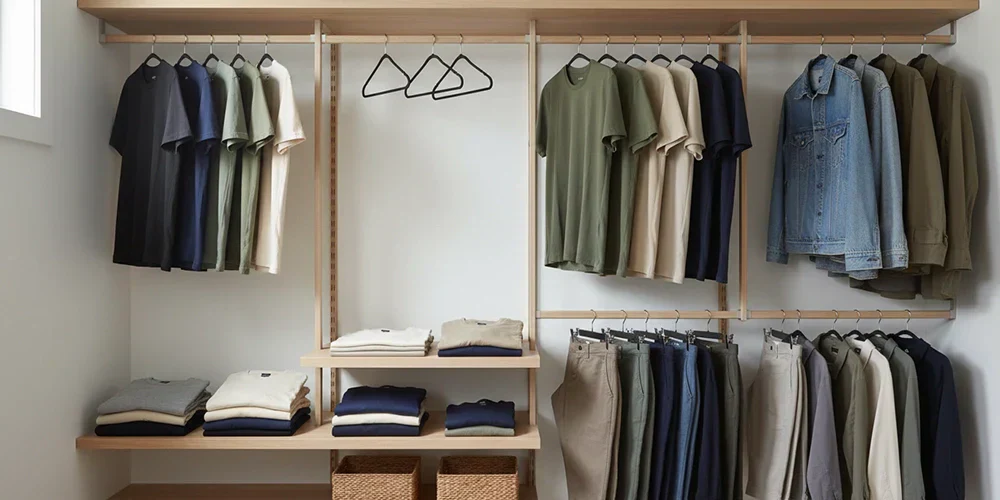
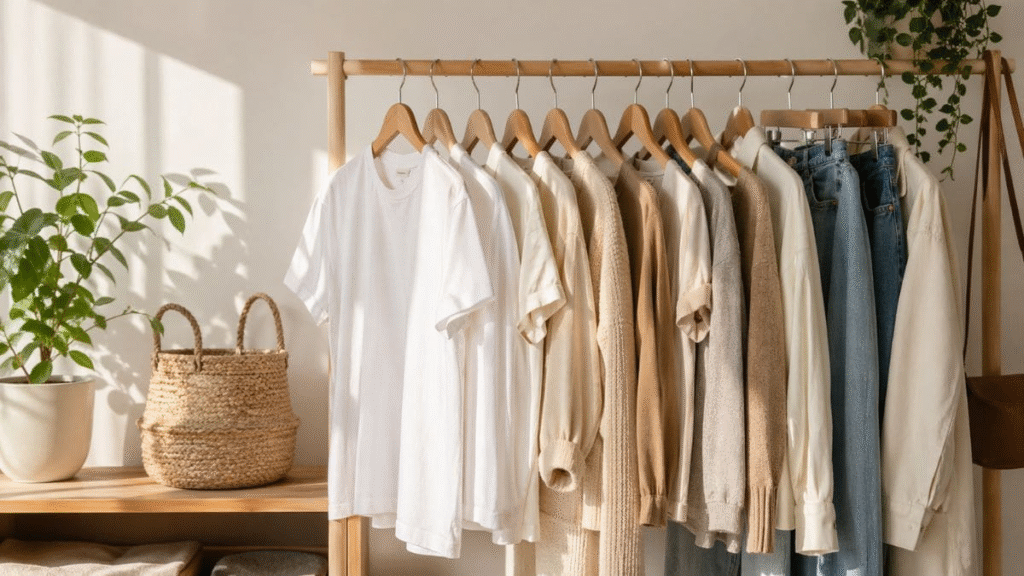
Many people believe having more clothes automatically creates more outfit options. In reality, a wardrobe filled with random items often creates frustration rather than flexibility.
A functional wardrobe focuses on versatility. Clothing pieces that work with multiple combinations create more outfit possibilities while reducing unnecessary purchases.
Basic clothing pieces often form the foundation of good styling because they can be mixed with trend-focused items more easily. Neutral tops, comfortable trousers, well-fitted jeans, classic jackets, and versatile footwear usually provide more value than buying large numbers of highly specific pieces.
The goal is not owning more clothing. The goal is owning clothing that works together.
Why Fit Matters More Than Expensive Clothing
Expensive clothing does not automatically create better style. One of the biggest differences between average outfits and polished outfits is fit.
Clothing that fits properly creates cleaner lines, improves comfort, and enhances overall appearance. Even simple clothing can appear stylish when proportions and fit are correct.
Oversized clothing can work when styled intentionally, but clothing that is simply too large or too small often creates discomfort and affects confidence.
Understanding fit allows people to make smarter purchasing decisions because they focus less on labels and more on appearance.
Fashion starts with wearing clothing that feels comfortable and looks balanced.
Understanding Color Coordination
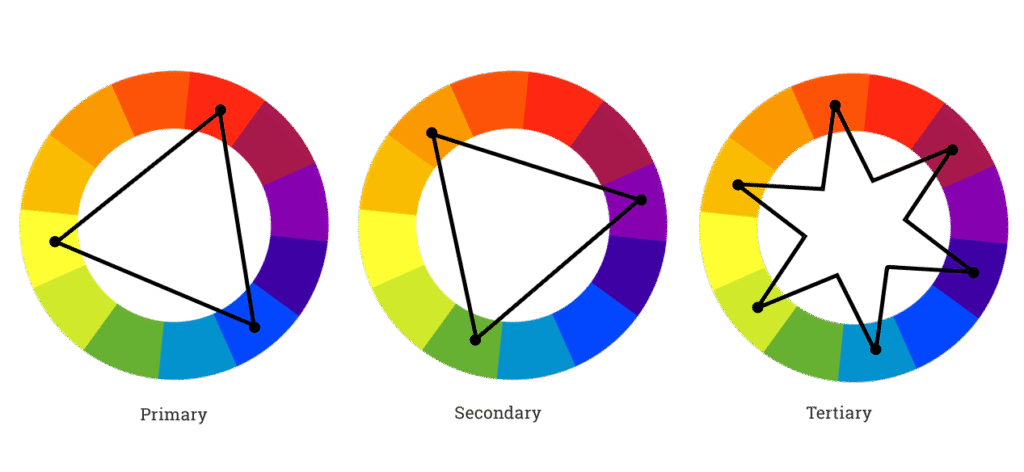
Color plays an important role in fashion because it influences how outfits feel visually.
Many people assume creating stylish color combinations requires advanced knowledge, but simple principles usually work best.
Neutral colors such as black, white, gray, beige, and navy create flexibility because they pair easily with many shades. Adding one or two stronger colors often creates balance without making outfits feel overwhelming.
Understanding color coordination does not mean avoiding experimentation. It simply means learning which combinations feel natural and intentional.
The Role of Accessories in Fashion
Accessories often receive less attention than clothing, yet they play a major role in styling.
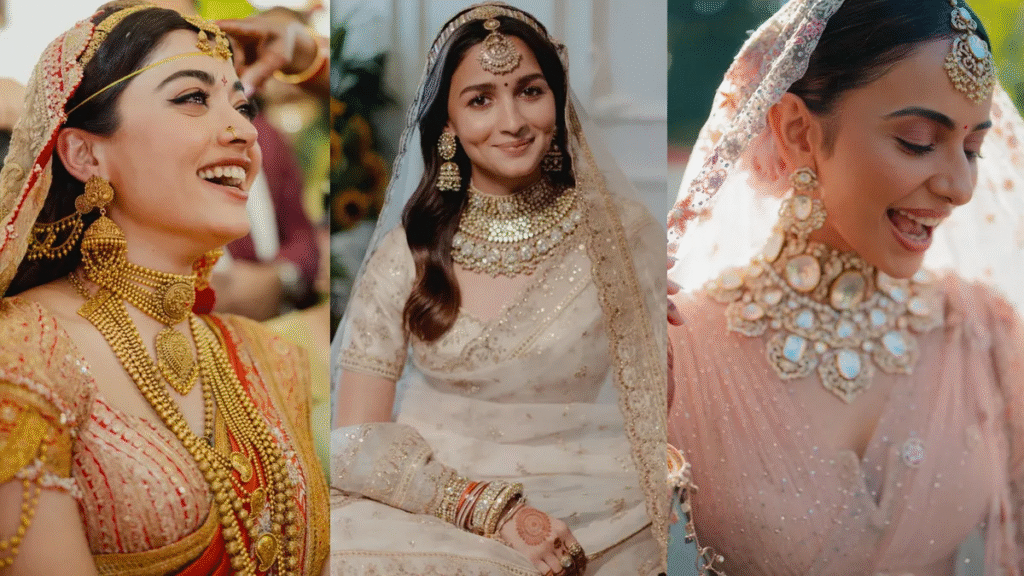
Bags, jewelry, belts, watches, sunglasses, scarves, and footwear can dramatically change how an outfit feels without replacing the clothing itself.
Accessories create personality within outfits. A simple outfit paired with carefully chosen accessories often appears more polished than expensive clothing without styling.
The key is balance.
Too many accessories can compete for attention while too few may leave outfits feeling incomplete.
Good styling usually involves selecting accessories that complement rather than dominate.
Choosing the Right Bags for Different Looks
Bags are both functional and fashionable. The right bag can elevate an outfit while improving practicality.
Large tote bags often work well for daily activities because they combine style with convenience. Structured handbags typically create more polished appearances while smaller crossbody bags provide casual versatility.
When selecting bags, many people focus only on trends. However, considering color, functionality, and frequency of use often creates better purchasing decisions.
Neutral bag colors usually offer greater flexibility because they pair with multiple outfits.
Fashion becomes more practical when accessories serve both appearance and functionality.
Jewelry as a Styling Tool
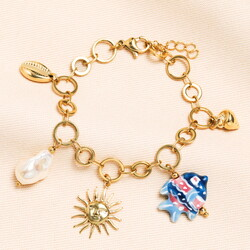
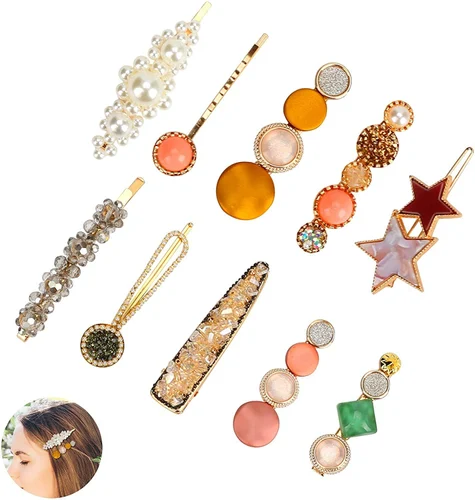
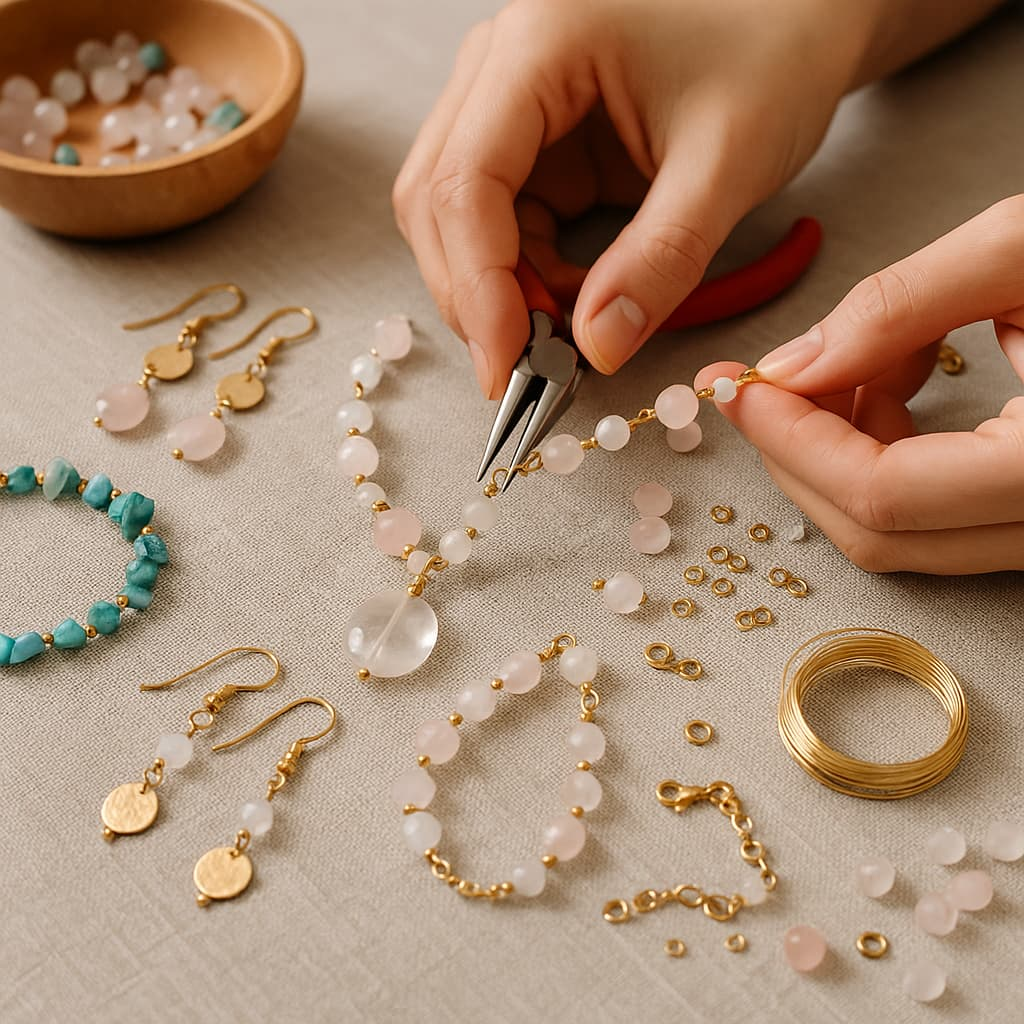
Jewelry allows people to personalize outfits without making major wardrobe changes.
Simple necklaces, rings, earrings, bracelets, and layered accessories can completely transform clothing combinations.
Some people prefer minimalist jewelry while others enjoy statement pieces. Both approaches work depending on styling preferences.
The important factor is consistency.
If clothing already contains strong patterns or bold colors, simpler jewelry often creates balance. When outfits are minimal, jewelry can become the focal point.
Using jewelry intentionally creates more polished styling.
Footwear Changes Everything
Shoes influence fashion more than many people realize.
The same outfit paired with sneakers creates a different impression compared to heels, boots, or formal shoes.
Footwear affects both comfort and appearance, which is why choosing shoes should involve practicality as well as aesthetics.
People often purchase shoes because they look attractive but later discover discomfort makes them unusable.
The best fashion choices combine style with wearability.
Shoes that feel comfortable naturally become more valuable because they are worn more frequently.
Balancing Trends with Timeless Fashion
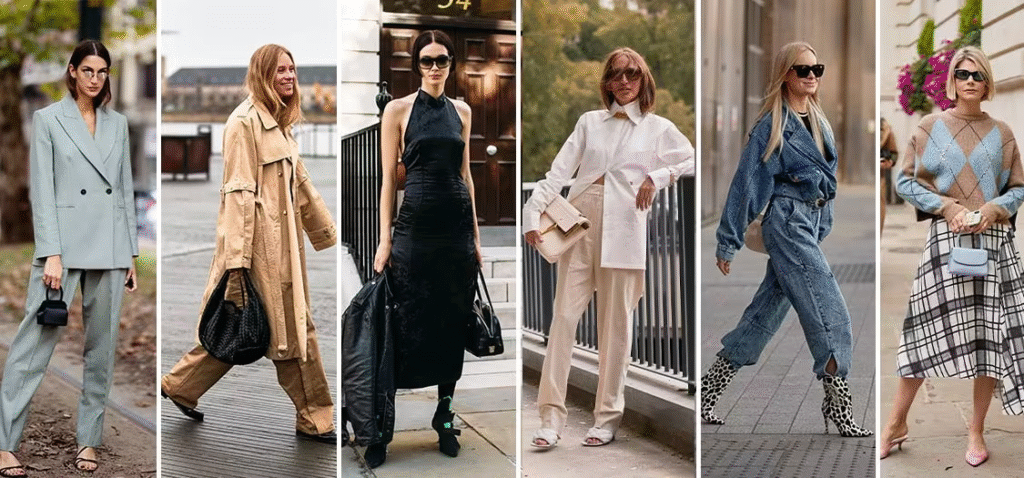
Fashion trends create excitement because they introduce fresh ideas and inspiration. However, trends change quickly.
Smart styling often involves balancing timeless pieces with trend-driven elements.
Buying entire wardrobes based on temporary trends can become expensive and create clutter.
Instead, many stylish wardrobes rely on classic foundations while introducing trend pieces selectively.
This approach creates flexibility because timeless clothing remains useful even after trends change.
Fashion becomes more sustainable when purchases last beyond a single season.
Seasonal Fashion and Adaptability
Fashion changes throughout the year because climate influences clothing choices.
Seasonal styling is not only about staying comfortable but also about adapting wardrobes efficiently.
Layering often becomes one of the most useful styling techniques because it creates flexibility across changing temperatures.
Light jackets, knitwear, scarves, and adaptable footwear make seasonal transitions easier.
People who build adaptable wardrobes often spend less money because clothing works across multiple seasons.
Flexibility creates stronger wardrobes.
Confidence as Part of Style
No styling guide is complete without discussing confidence.
Two people can wear identical outfits and create completely different impressions because confidence influences presentation.
Fashion should enhance confidence rather than create pressure.
People often wait until they achieve perfect wardrobes before feeling stylish, but confidence rarely comes from owning more clothing.
It usually comes from understanding what feels comfortable and authentic.
When people wear clothing that reflects their personality, confidence naturally increases.
Style is not only about appearance. It is also about how people feel while wearing their clothes.
Creating Outfits Without Overthinking
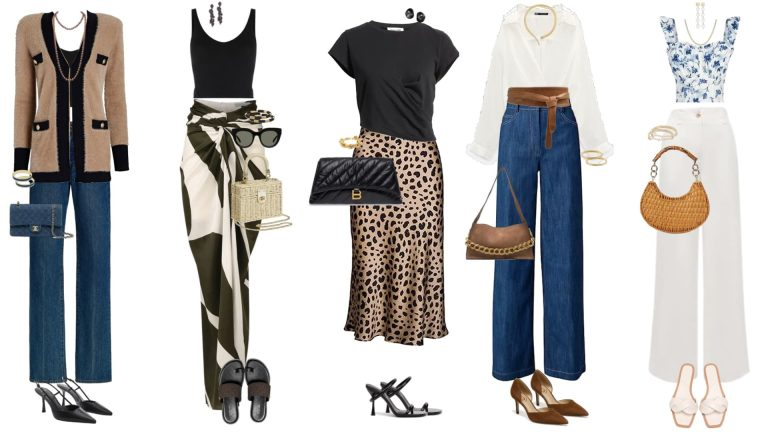
Many people spend unnecessary time trying to create perfect outfits.
In reality, strong styling usually follows simple principles.
Balanced colors, appropriate fit, practical accessories, and comfortable clothing create most successful outfits.
Perfection is not required.
Fashion works better when people focus on consistency rather than perfection.
Over time, building outfits becomes easier because personal preferences become clearer.
The process becomes natural rather than stressful.
Conclusion
Fashion is much more than clothing alone. It involves styling, accessories, colors, proportions, and personal expression working together.
The Complete Fashion Handbook is not about following strict rules. Instead, it is about understanding how clothes, bags, jewelry, shoes, and accessories combine to create individual style.
Good fashion does not require expensive wardrobes or constant shopping. It comes from thoughtful choices, practical styling, and confidence.
When people focus less on chasing every trend and more on building wardrobes that reflect their personalities, fashion becomes simpler, more affordable, and more enjoyable.
At its core, style is not about dressing like everyone else. It is about creating looks that feel like yourself.
FAQ’s
1. How can I improve my personal style?
Focus on clothes that match your personality and comfort.
2. Why are accessories important in fashion?
Accessories help complete and enhance outfits.
3. How do I choose the right clothing fit?
Pick clothes that feel comfortable and suit your body shape.
4. Should I follow every fashion trend?
No, choose trends that match your personal style.
5. What is the secret to looking stylish daily?
Wear well-fitted clothes with confidence and simple styling.
Best Gadgets 2026: Trending Tech for Work, Home & Everyday Life
I can go online just to check the price of a phone, and somehow end…
Holiday Destinations 2026: Best Places for an Unforgettable Trip
Sometimes I start looking at travel places when I have absolutely no plan to travel….

Wellness Guide 2026: Easy Self-Care & Healthy Lifestyle Tips
I wake up after getting enough sleep, drink some water, open the curtains and start…
Fashion & Beauty Ideas 2026: Trending Outfits, Makeup & Skincare
I open Instagram to check one thing, and a few minutes later I am watching…
Latest Tech Deals: Best Offers on Gadgets & Electronics
I have a habit of checking tech deals even when I am not planning to…

Best Grocery Deals: Affordable Offers You Shouldn’t Miss
Grocery shopping sounds simple until you actually start doing it regularly. At first, you may…
