
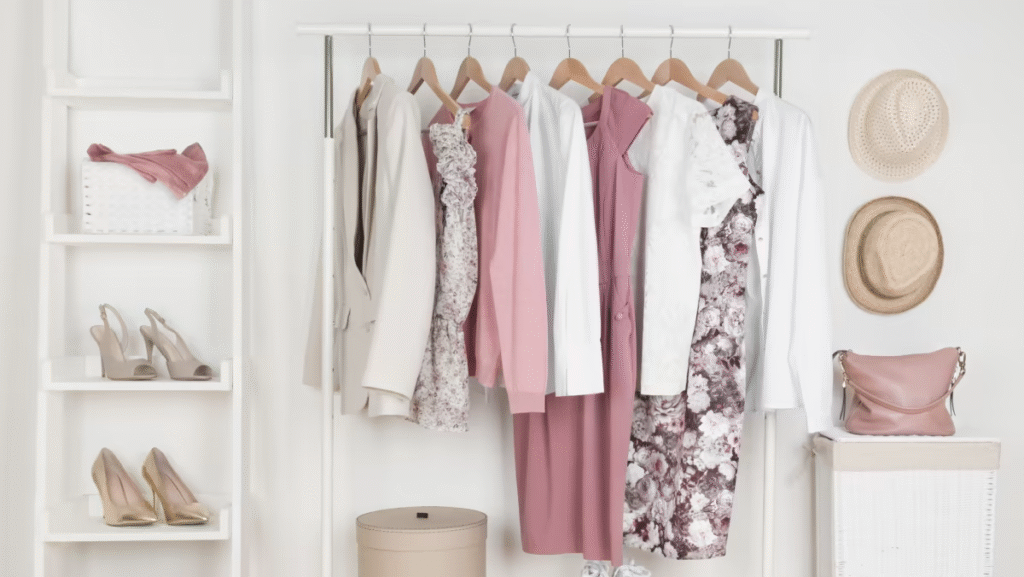
Last year’s sale season got me good. StylishI came home with a printed shirt, two pairs of trousers, a jacket and three tops I “couldn’t resist”. Each price tag looked harmless, but the total did not. A month later I was standing in front of my Overspending cupboard, pulling out the same old jeans and white shirt, again. Three of the new things still had their tags on, and I felt quietly annoyed at myself.
I always assumed stylish people simply owned more clothes. Every shop window and every feed said the same thing: more pieces, more outfits, more of everything. But the people I know who always look put-together actually own less. What they own fits properly, suits their life and goes together without any effort. If you’ve ever stared at a full cupboard and still felt you had nothing to wear, you’ll know exactly what I mean.
So I tried something boring. I looked at what I already had, picked a few colours I liked and bought only things that matched at least three other pieces. Mornings got faster and my spending dropped. Nothing in this guide needs a stylist or a big budget, only a little patience and a willingness to say no to a good-looking bargain.
Why Cheap Clothes End Up Costing More

A low price feels like winning, but it often isn’t. Stylish Clothes bought in a hurry, in the wrong size or in a colour that goes with nothing tend to sit untouched. Cheap fabric can fade, shrink or lose its shape after a few washes, Overspending and then you end up buying the same thing again. The real cost of a piece is what you paid divided by how often you wear it. A shirt that costs a little more but gets worn fifty times is far cheaper than a bargain you wear twice.
- Impulse buys are rarely worn often
- Poor fit makes even good clothes look careless
- Clashing colours create “nothing to wear” mornings
- Weak fabric means replacing things sooner
- The best value is cost per wear, not the sticker price
Start With What You Already Own
Before you shop for anything, look at your own cupboard properly. Most of us own more usable clothes than we realise, we just can’t see them under the clutter. A good wardrobe check takes one afternoon and saves months of random buying.


Do a Full Wardrobe Check
Pull everything out and dump it on the bed. It looks messy, Overspending Stylish but it works. Make three piles: wear often, wear sometimes and never wear. Try on anything you’re unsure about, and be honest about fit and comfort. If something itches, pinches or needs constant adjusting, it isn’t doing its job, however nice it looks on the hanger.
- Let go of clothes that don’t fit or feel uncomfortable
- Set aside things that need a small repair
- Notice which outfits you repeat without thinking
- Keep a “maybe” box and check it after a month
- Write down what’s missing, like a decent jacket or comfortable shoes
Find Your Own Style Pattern
Look at what you grab again and again. Stylish That’s your real style, not the one in your saved posts Overspending . If you always reach for straight trousers and soft cotton tops, build around that instead of chasing a trend that doesn’t suit your days. Your most-worn clothes tell you what to buy more of and what to stop buying.
- Note the colours and cuts you wear most
- Check which pieces make you feel confident
- Take photos of outfits you liked
- Spot what your best outfits have in common
- Ignore trends that don’t match your lifestyle
Pick a Small Colour Palette
This is the quiet trick behind wardrobes that just work. When most of your clothes share a few colours, almost everything goes with everything, and getting dressed stops being a puzzle. It also makes shopping easier, because you instantly know whether a piece belongs.
Choose Your Base and Accent Colours
Pick two or three neutrals, like navy, white, Overspending grey, beige or black, Stylish and add one or two accent colours that make you happy. Neutrals do most of the work, while accents add personality in smaller pieces like a scarf, a top or a
Start with two or three base neutrals
Add one or two accent colours
Pick shades that suit your skin tone
Skip colours you’ve never worn before
Check that a new piece goes with at least three others
dupatta. Choose shades that suit your skin tone, and notice which
colours people compliment you in.

Buy the Basics First
A handful of versatile pieces does most of the job. Get these right, and everything else becomes optional. Think about clothes you can wear in several ways, and buy the best fit you can afford.
| Essential Piece | What to Look For | How to Wear It | Where It Works | Buying Tip |
|---|---|---|---|---|
| Plain shirt or top | Soft fabric, good shoulder fit | Tucked in or loose over jeans | Work, college, casual days | Start with a neutral colour |
| Well-fitting jeans | Comfortable waist, dark wash | With tops, kurtas or jackets | Daily wear and weekends | Sit and walk in them first |
| Neutral trousers | Wrinkle-resistant, clean cut | Dressed up or down | Work, events, travel | Get the hem done properly |
| Light jacket or cardigan | Neutral colour, easy to layer | Over almost anything | Cool evenings, offices | Pick one that works formal and casual |
| Comfortable shoes | Sturdy sole, clean finish | With jeans, trousers, kurtas | Commuting and outings | Never trade comfort for looks |
| One traditional outfit | Colour that suits you, good tailoring | Change the dupatta each time | Festivals, weddings | Repeat it with new accessories |
Shop With a Plan
Smart shopping doesn’t mean avoiding shops. It means walking in knowing exactly what you came for, and walking out without the extras.

Set a Budget and a List
Decide what you can spend this month or season, Stylish and write down what you actually need. Add tailoring and accessories to the budget, because people forget them and then overspend. And don’t shop when you’re bored or upset. I learned that one the hard way, with a very expensive Tuesday afternoon.
- Set a clothing budget for the month or season
- Keep a short list on your phone
- Include tailoring and small accessories
- Avoid shopping when stressed or bored
- Unsubscribe from constant sale alerts
Buy Slowly
Wait a day or two before buying anything that isn’t essential. Ask yourself whether you already have three outfits for it. Try it on, move around, check the stitching and the care label. A sale is only a good deal if the item was already on your list, otherwise it’s just a nicer-looking way to spend money.
- Wait 24 to 48 hours before non-essentials
- Ask “Do I have three outfits for this?”
- Sit, walk and raise your arms in the clothes
- Check stitching, lining and fabric quality
- Skip anything that isn’t on your list
Where to Buy for Less
You don’t need expensive shops to look good. Stylish Many affordable places offer decent quality if you know where to look and take your time.
Local markets and wholesale areas for everyday basics

Thrift and second-hand shops for unusual pieces
Fabric shops plus a trusted tailor, for a perfect fit
Clothing swaps with friends and cousins
End-of-season sales, only for things on your list
Rentals for heavy outfits you’ll wear once
Make Your Clothes Last
Good care saves real money. Read the labels, wash in cool water when you can and don’t over-dry delicate things. Fix a loose button the day you notice it, not six months later. Clean, ironed clothes also look more expensive than they are, which matters more than any label.
- Wash less often and follow the care label
- Air-dry fitted and delicate pieces
- Hang shirts and fold knitwear
- Repair small damage before it grows
- Keep shoes clean and dry
- Rotate favourites so one piece doesn’t wear out first
Small Touches That Help
A few cheap details make simple clothes look planned. Nothing fancy, and you don’t need all of them. Pick what suits you and ignore the rest.
A simple watch or small earrings
A scarf or dupatta in your accent colour
Polished shoes
A tidy hairstyle
A decent belt or a neat bag
A light fragrance, used sparingly

Plan Outfits Around Your Real Week.
I started thinking about where I actually go each week instead of imagining a fancier life. It stopped a lot of silly buying, because I could finally see what my days needed.
| Situation | Outfit Idea | Piece to Add | Colour Tip | Easy Habit |
|---|---|---|---|---|
| Office or college | Plain shirt, neutral trousers | Light jacket | Stay with base neutrals | Lay clothes out the night before |
| Casual weekend | Jeans and a comfortable top | Clean shoes, simple bag | Add one accent colour | Repeat favourites with small changes |
| Family function | Traditional outfit, bright dupatta | Simple jewellery | Pick a shade that suits your skin | Keep one set ready to wear |
| Evening outing | Dark jeans, a good top | One statement accessory | Go for a deeper shade | Choose just one standout item |
| Travel day | Soft trousers, layered top | Comfortable jacket | Colours that hide creases | Wear the bulkiest items on the journey |
| Rainy or cold day | Layers with a waterproof jacket | Waterproof shoes, scarf | Dark colours hide splashes | Keep spare socks in your bag |
Mistakes I Made So You Don’t Have To
I’ve done almost all of these, some of them twice.
- Buying a size “to fit into later”
- Following every trend without checking my own style
- Ignoring fit because the price was low
- Buying a third white shirt without noticing
- Skipping a ten-minute alteration that would have fixed everything
- Putting clothes on a credit card
Keep a Healthy Balance
Style should make life easier, not more stressful. Don’t compare your cupboard with photos online, and don’t feel pressured to keep up with every trend. Repeat outfits proudly, because confidence matters more than novelty. When you feel tempted to overspend, step back, check your list and wait a few days. Most of the time, the urge passes.
When to Splurge and When to Save
Spend more on things you’ll wear constantly: shoes, a good jacket, one perfectly fitted outfit. Save on trendy items that will look old in a season, and on anything you’ll wear once. And if you do slip and overspend, don’t beat yourself up. Notice what pulled you in, adjust and move on.
A stylish wardrobe isn’t the biggest or the priciest one. It’s the one where getting dressed takes five minutes and you still feel like yourself.
FAQs
1. How can I build a stylish wardrobe on a budget?
Start with what you already own, choose a small colour palette and buy versatile basics that match many outfits.
2. How many clothes do I really need?
It depends on your lifestyle, but fewer pieces that fit well and mix easily work better than a crowded cupboard.
3. Which colours are best for a basic wardrobe?
Two or three neutrals like navy, white or grey, plus one or two accent colours you love.
4. How do I avoid impulse buying?
Shop with a list, wait 24 to 48 hours and skip sale items that aren’t on it.
5. Is it worth spending more on some pieces?
Yes, on things you wear often, like shoes or a good jacket, since the cost per wear is lower.
The Tranding team
Written and checked by the people who run Tranding.